
FRIENDLY FACES AT THE PARK
Client: SPECULATIVE
Location: San Francisco
Scope: Placemaking
Year: 2025
Category: Experiential
Team: Paulina McFarland
The SMILEYS at the park are a series of human size totems. They are designed to bring joyful activation to the landscape and evoke positive emotions in visitors. These human size toys also promote movement and speculate that colorful and activate the senses.
Interactive colorful sculptures in parks can have a powerful effect on children’s behavior, emotions, and cognitive development, because they combine color, play, movement, and sensory engagement, all of which strongly activate the developing brain. When sculptures are interactive—allowing children to climb, touch, spin, or crawl through them—they stimulate both the motor and sensory pathways in the brain. The use of colorful cues, such as following a red path or touching a yellow handle, helps guide movement and encourages curiosity. Through this type of engagement, children develop important physical abilities, including gross motor skills, spatial awareness, and body coordination.


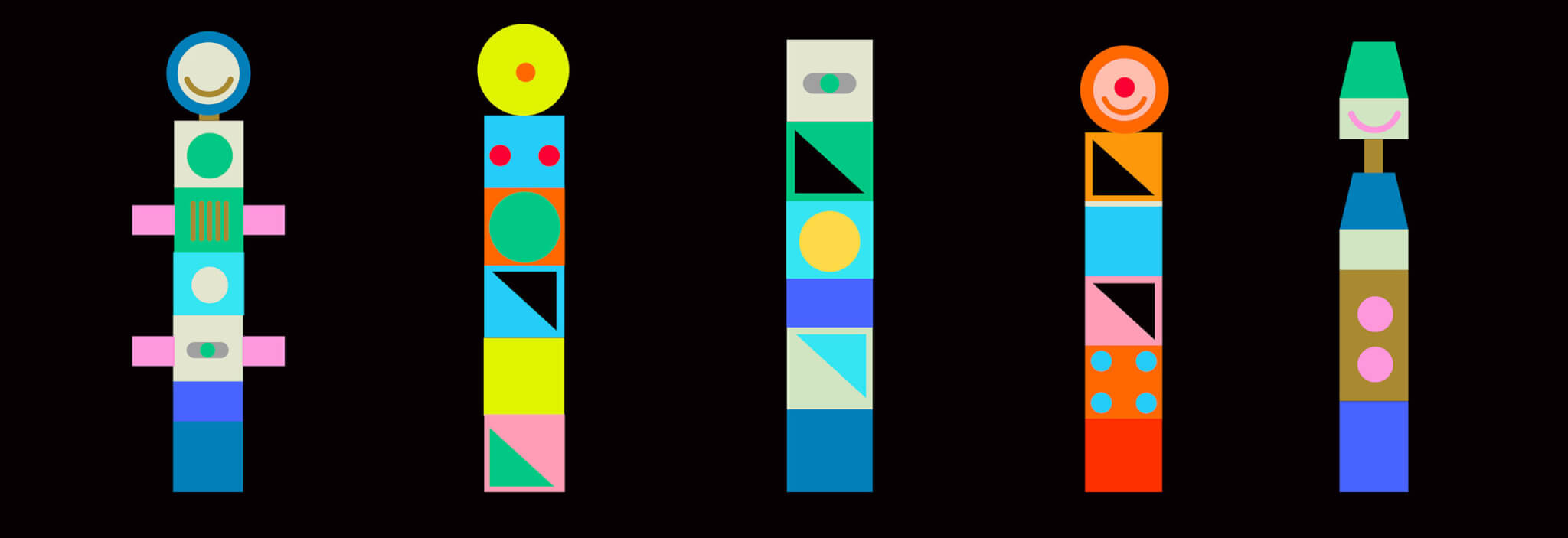
Sculptures that are abstract or playful encourage children to imagine stories or create their own meanings—for example, pretending a colorful arch is a rainbow gate or a spaceship. The variety of colors enhances pattern recognition, symbolic thinking, and visual memory, while the hands-on, open-ended nature of interactive art supports problem-solving and flexible thinking. Altogether, these experiences boost creativity, imagination, and higher-order cognitive functions.
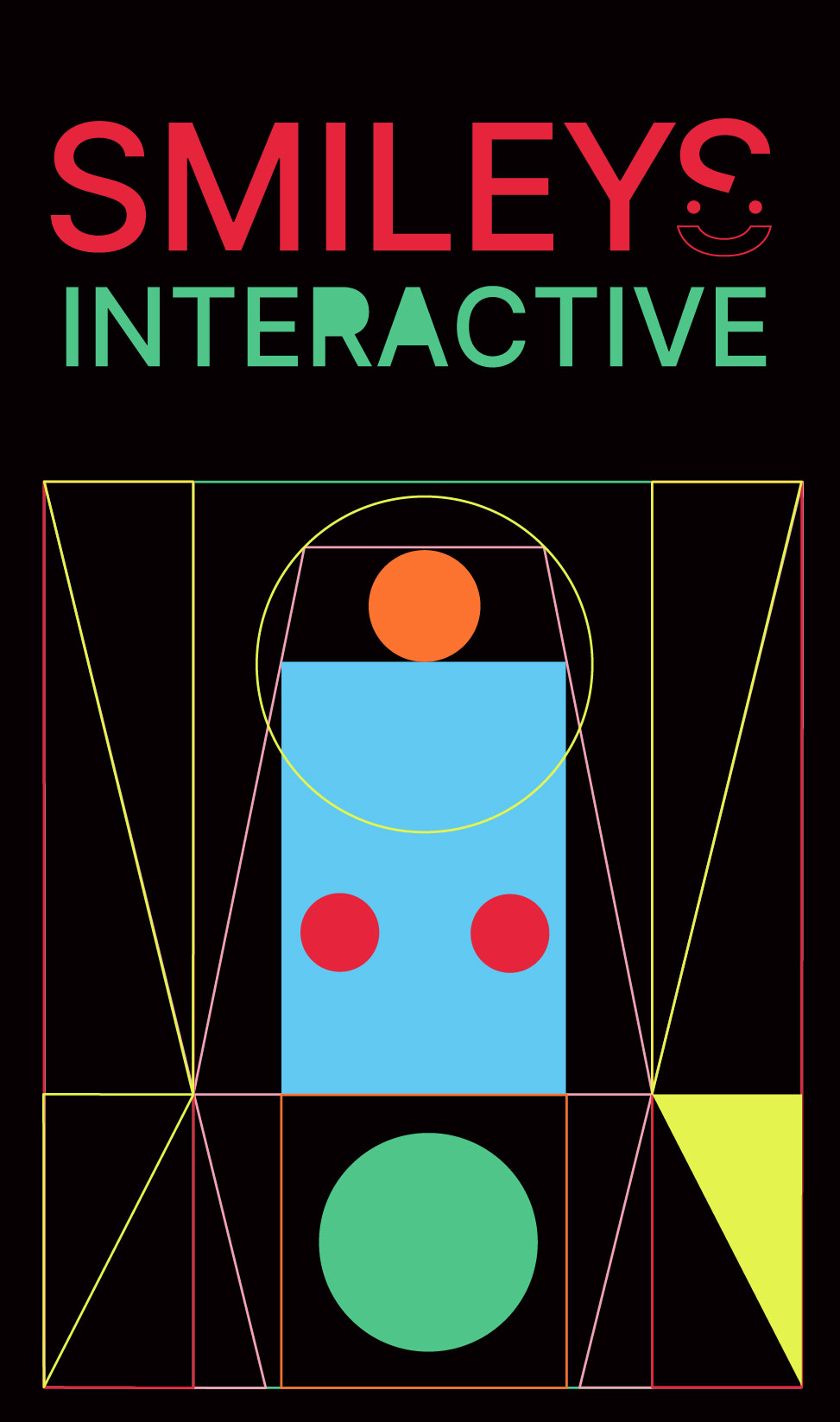
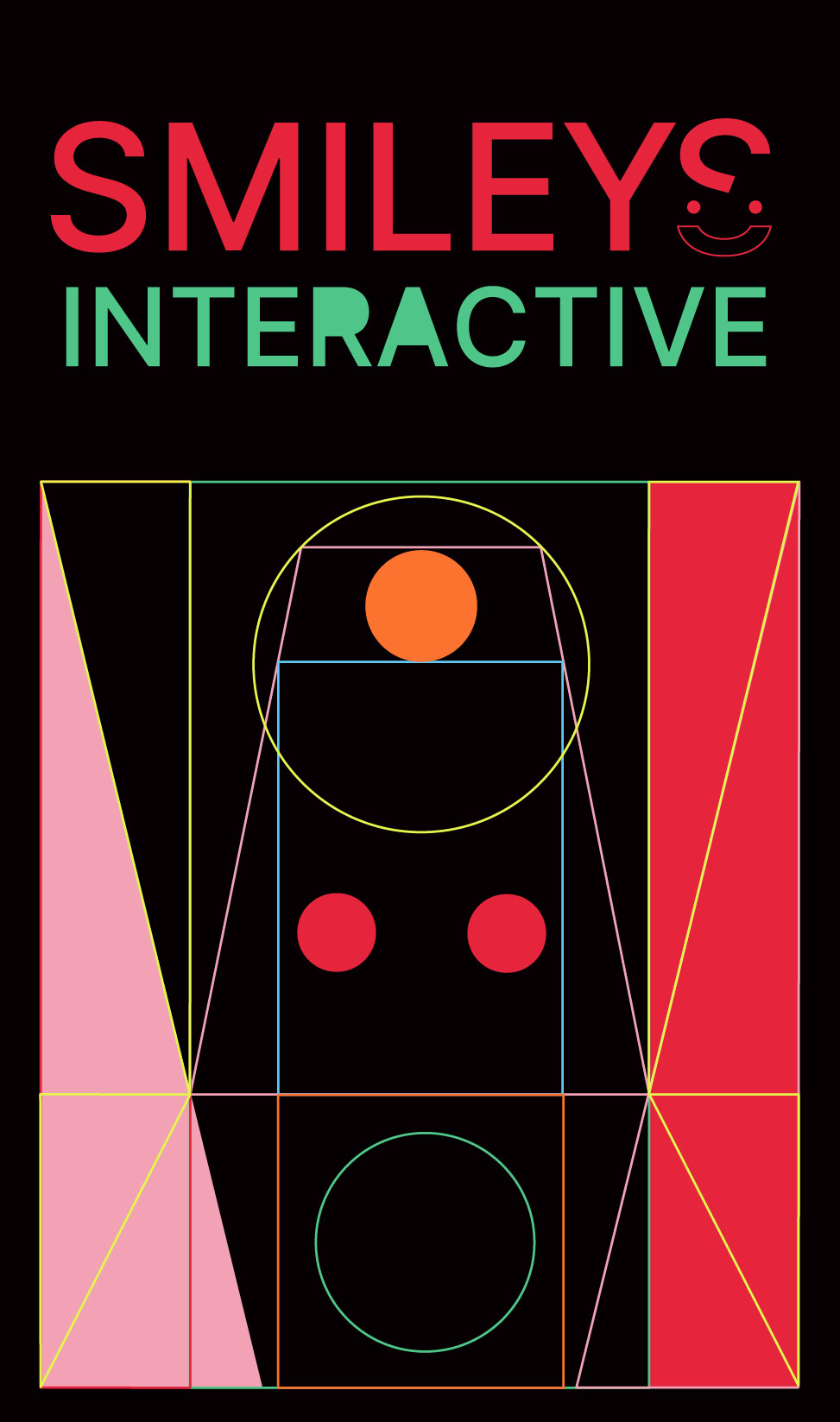
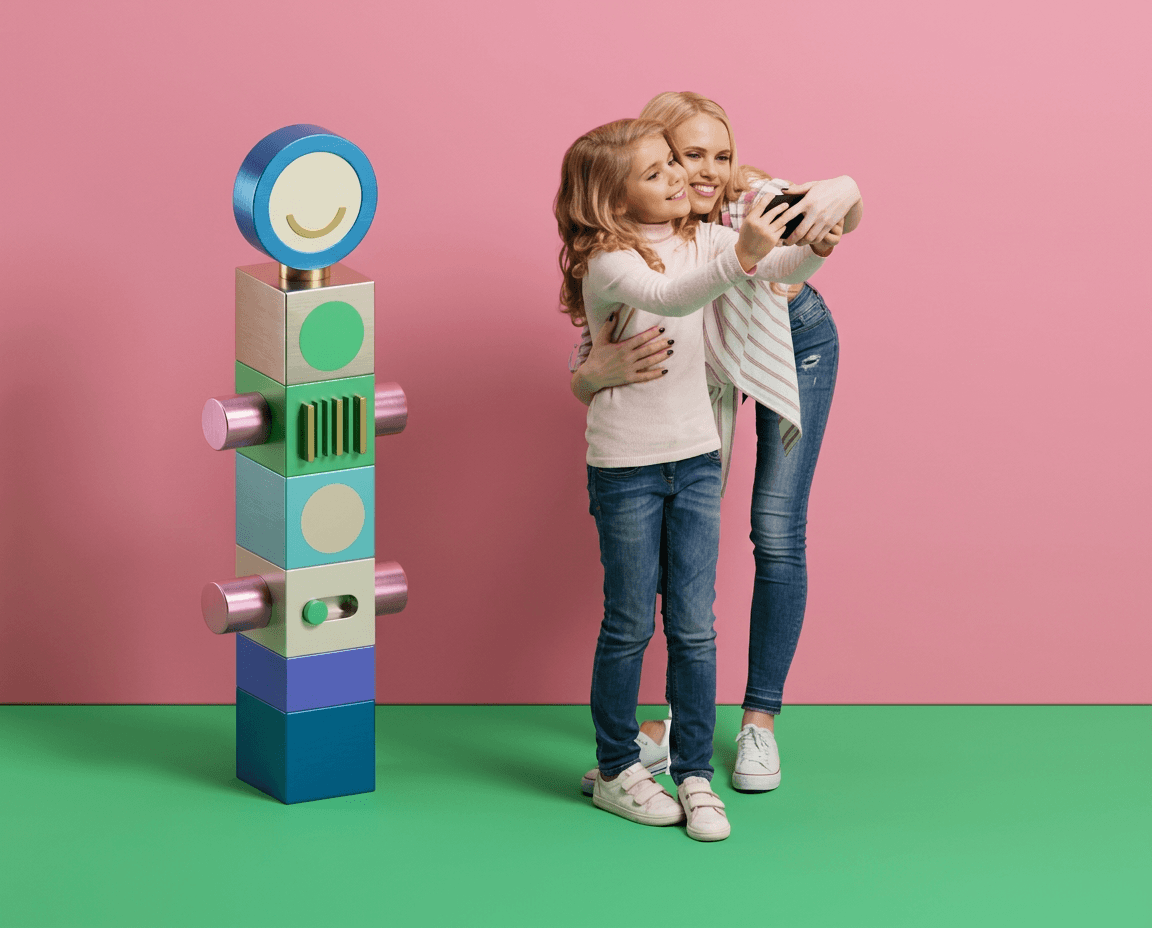
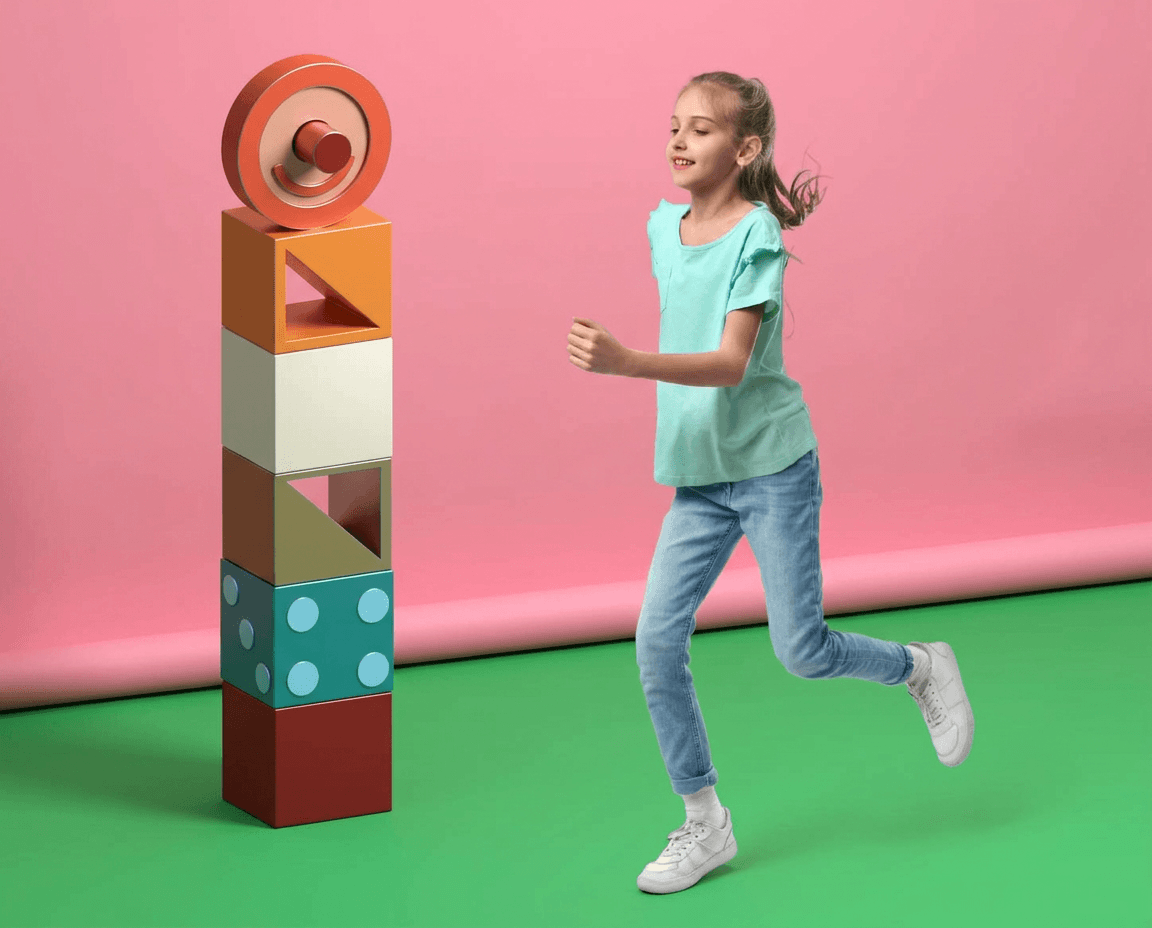
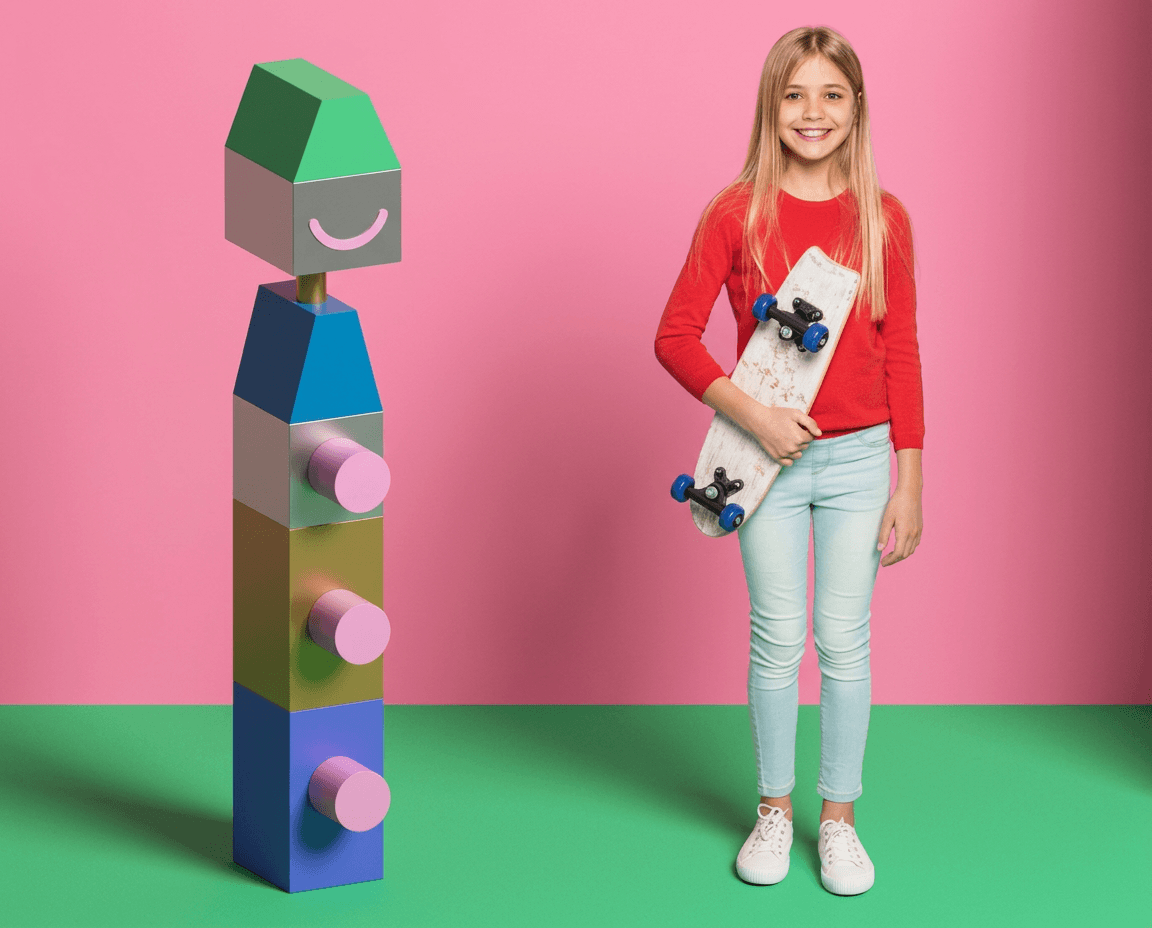
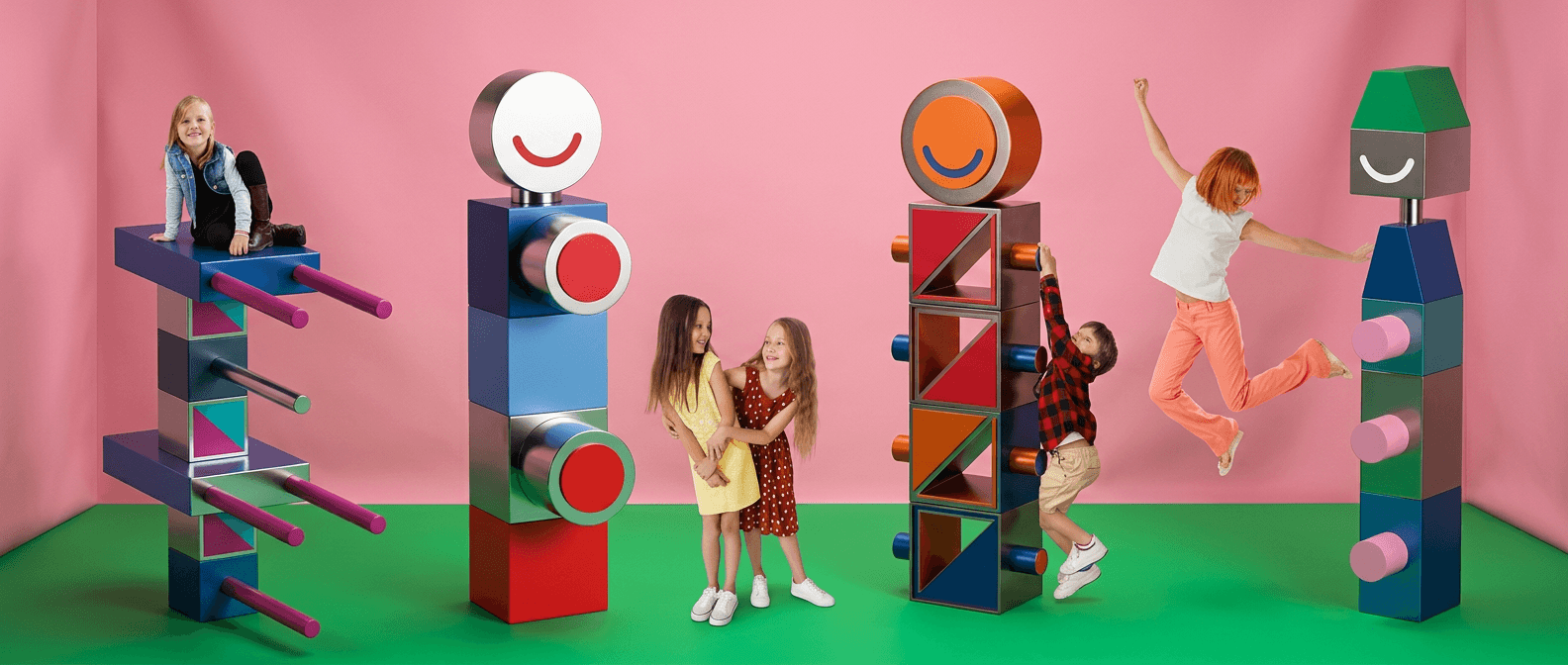
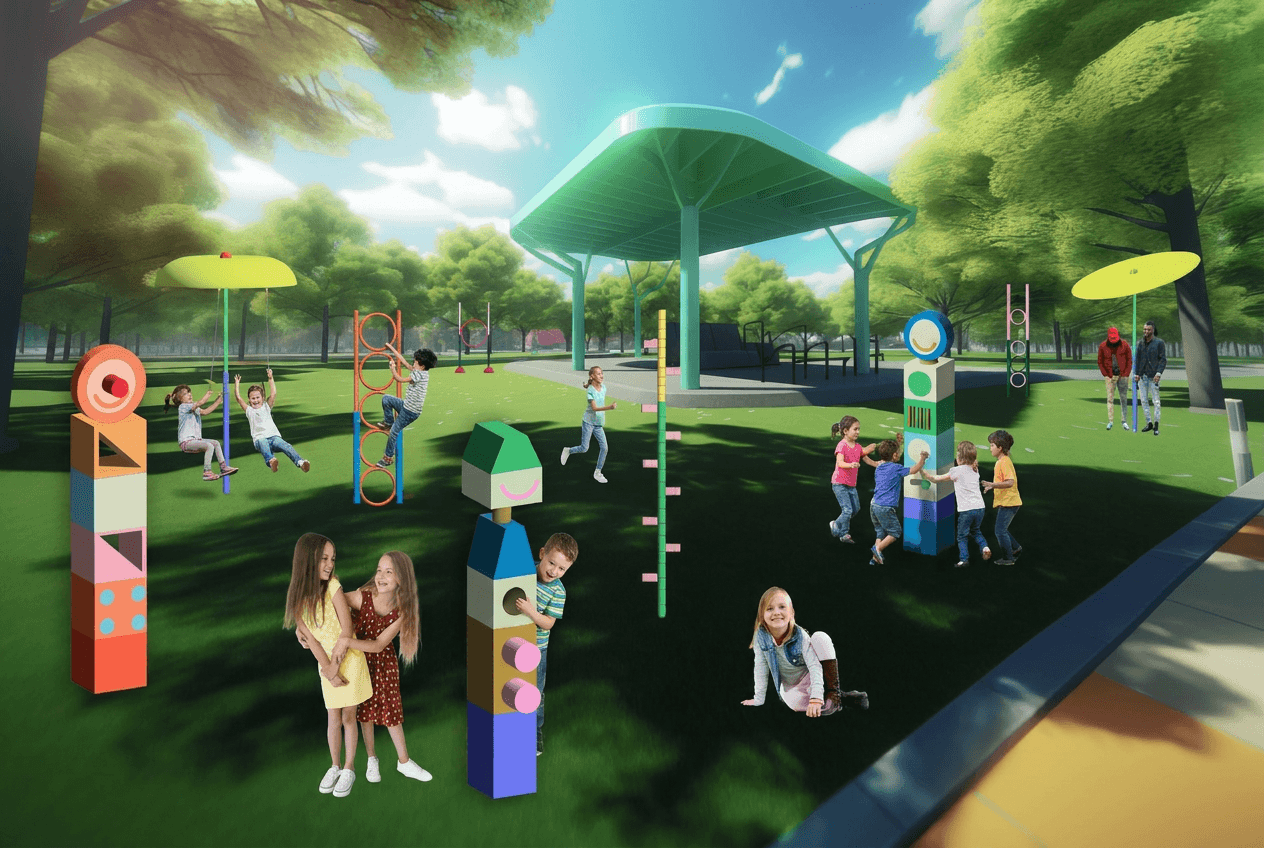
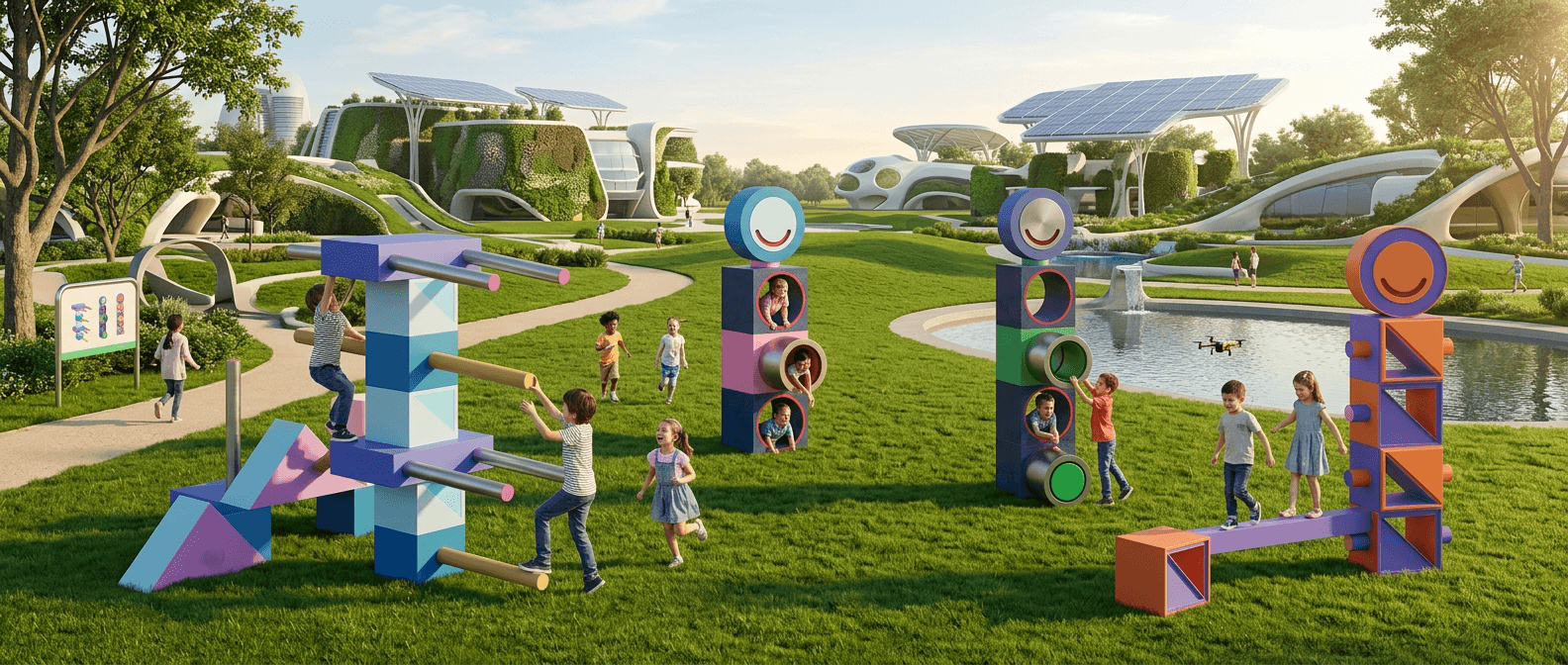
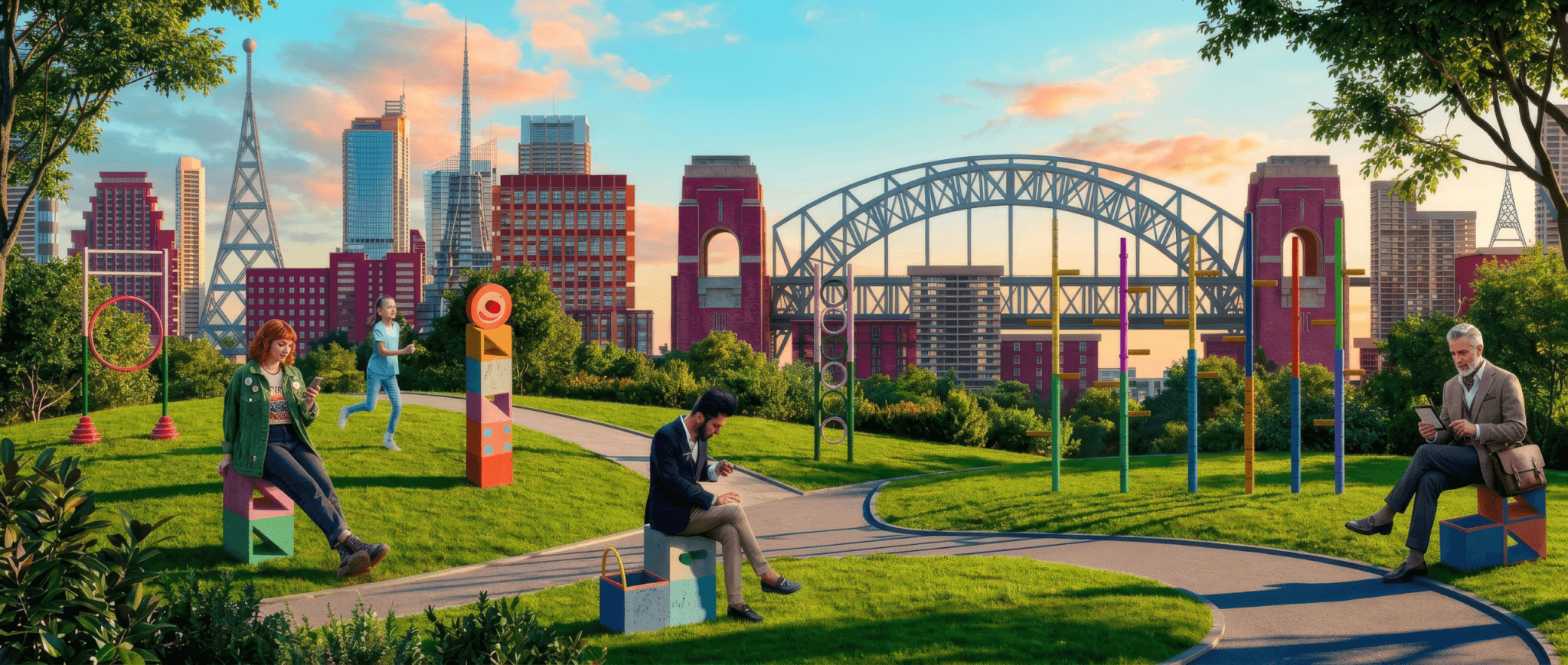
Colorful public sculptures attract multiple children, creating shared spaces that promote social play. Bright, inviting colors help reduce social inhibition and make the environment feel friendly and inclusive. Interactive elements such as spinners, tunnels, and collaborative structures encourage cooperative play, turn-taking, and communication. Together, these features enhance empathy, teamwork, and emotional regulation.
Integrating color and art into natural environments also helps bridge the sensory gap between the built and natural world. Through these experiences, children learn to associate outdoor spaces with curiosity and creativity, fostering positive attitudes toward public spaces and nature. This connection increases environmental awareness and supports long-term emotional well-being.
Selected Works
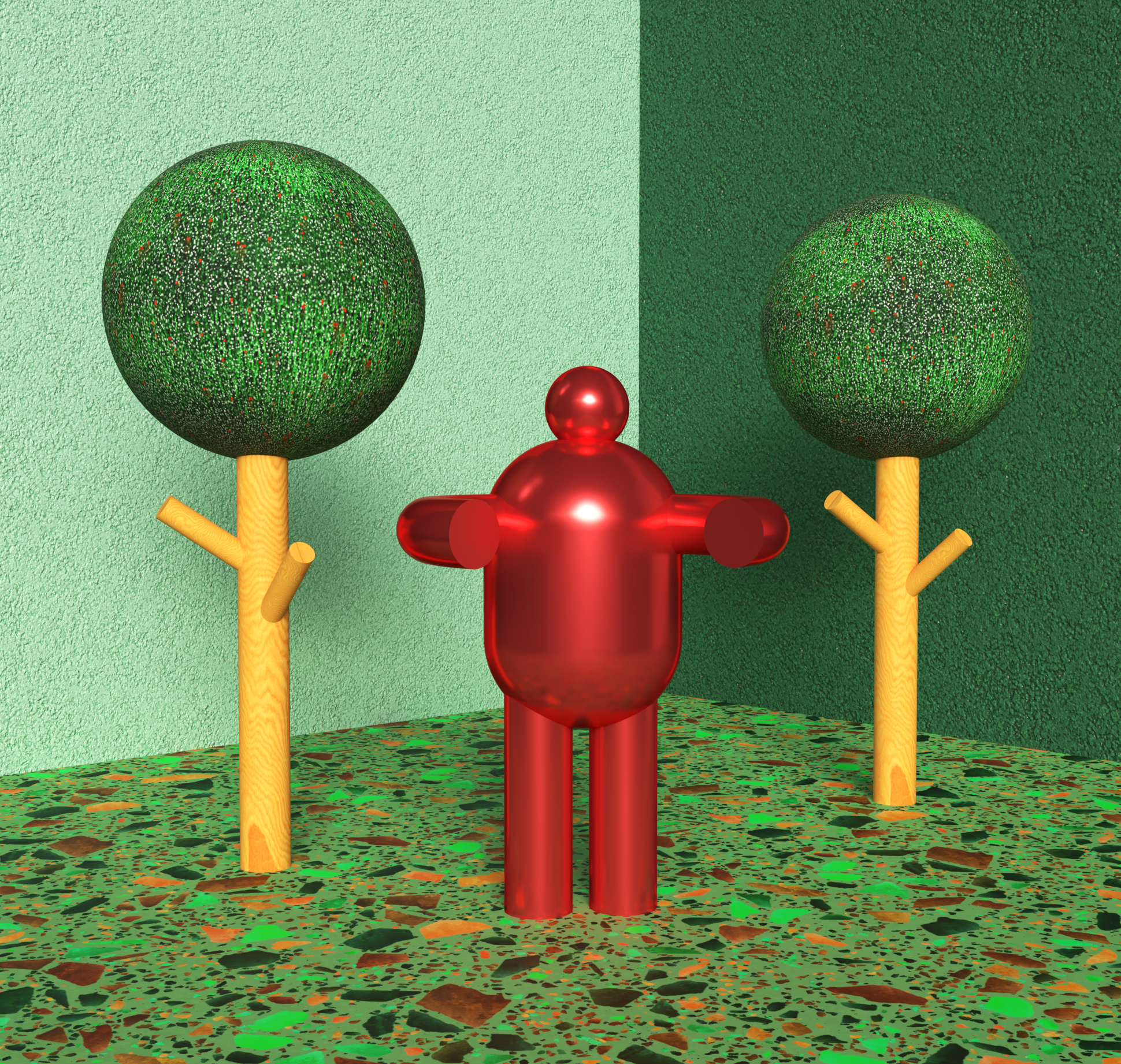
HUGGIESPlacemaking

FFTT: Design Truck on WheelsProject with Studio O+A
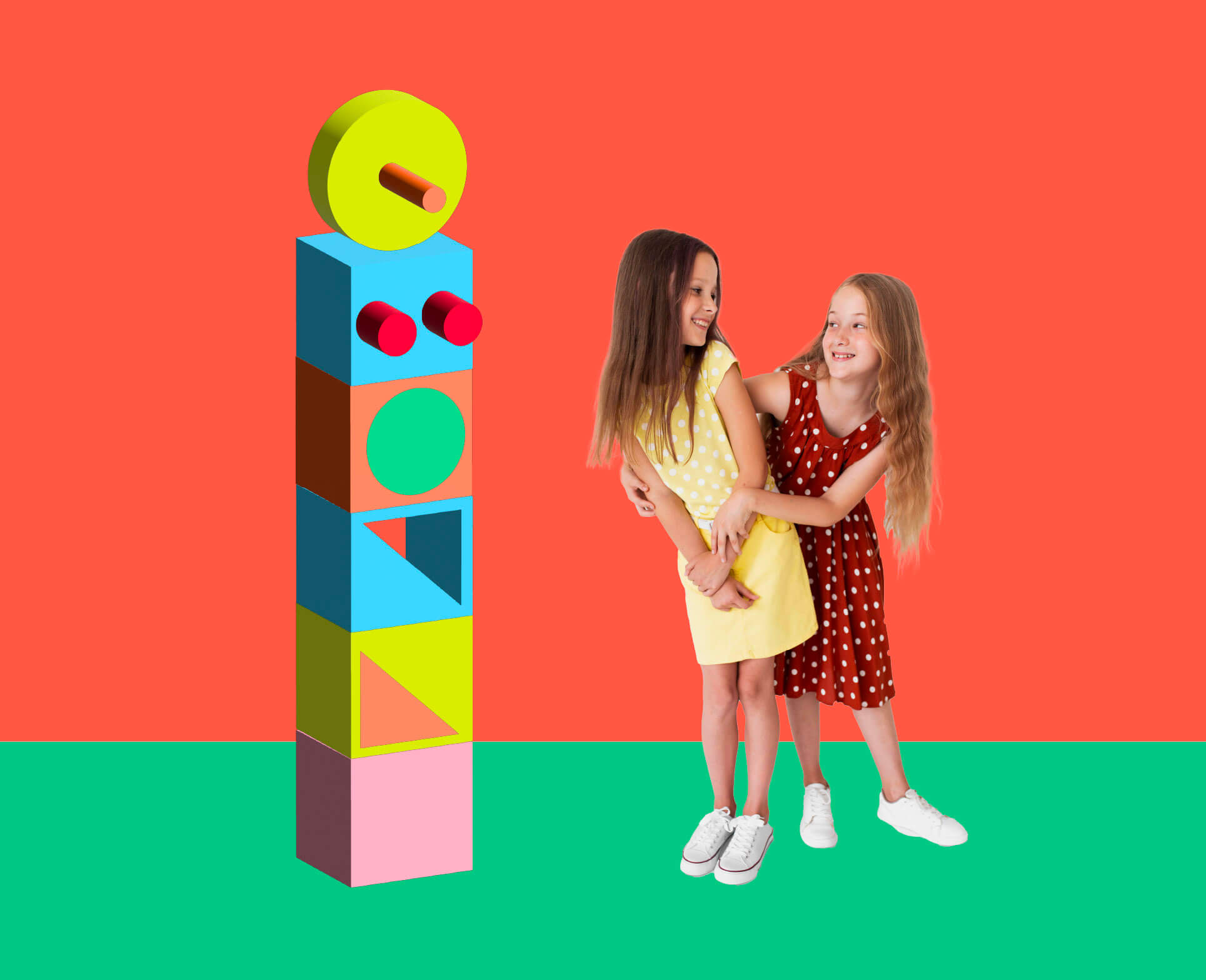
SMILEYS PARK TOTEMSPLACEMAKING
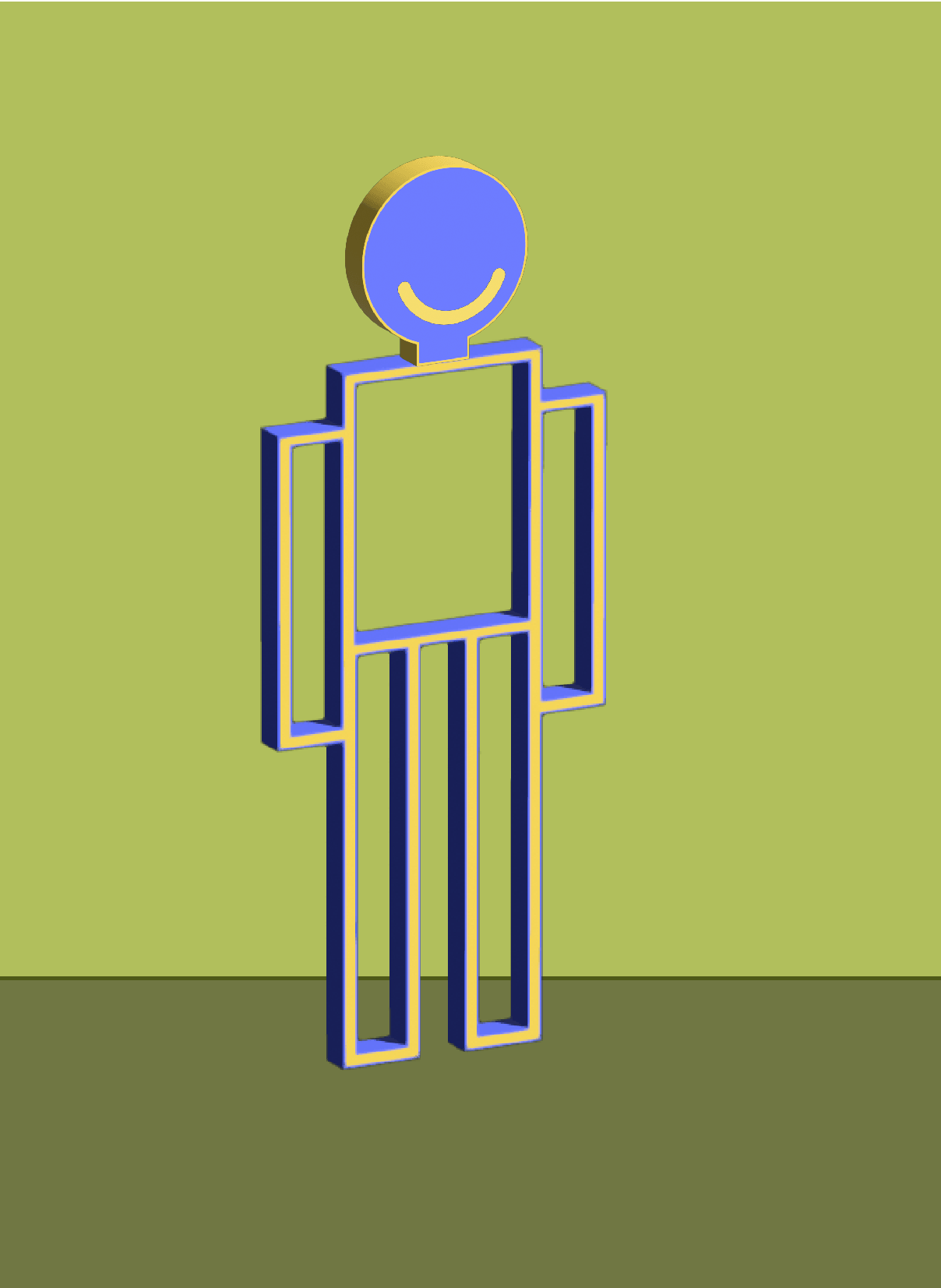
PARK PEOPLEPLACEMAKING + Bike Parking