I wrote something less certain and more honest, if not a little anxious.
This piece has zero conclusions, zero productivity hacks, and zero promises of becoming a one-person million-dollar studio.
Instead, I offer my brain, 30 years of craft anxiety, a Marinetti reference, and the admission that I still don't know which way to fall. It's neither a condemnation nor a love letter. It's just where I actually am.
The post Confessions of an Anxious Designer appeared first on softverb.
]]>I put out thought pieces, keep up with technology, promote my work, market my taste, and make myself palatable. Now, apparently, I’m also supposed to have a take on AI.
We’re all supposed to take sides, integrate or refuse. Scream into the void or bow down to the algorithm. If I read one more think piece about the “transformation of the design landscape” and the sacred role of the tastemaker-slash-content-creator, I will throw myself down the stairs headfirst. But here I am writing it anyways.
Out of The Rubble
Designers are in full Darwinian survival mode right now, and it is palpable. Do or die, adapt or perish. We are rapid-iterating technology in real time — monetizing it, stress-testing it, selecting the best tools for the herd — all while trying to make our workflows tighter, faster, instantaneous. We are relearning what design even means while simultaneously being asked to produce more of it.
It is fascinating in an evolutionary kind of way.
For decades, our industry was shaped by people with a fetishistic relationship to craft. I’m talking Milton Glaser, Paul Rand, Saul Bass, Massimo Vignelli, Herb Lubalin. Not just anyone. People who codified the rules we still follow. Who told us to toughen up, to be selective, to earn IT.
Know the rules to break the rules.
Put in your 10,000 hours.
Push past the obvious.
Arrive at simplicity — don’t start there.
The Machine
My design mentors taught me to always cut the fat. Whittle down to the bone —to the cleanest, most direct solution. Utility and beauty in perfect harmony, but not instantly. You had to arrive at it—slow the brain down, dump every bad idea out of your head before the good one had room to breathe, solve the problem. That’s who we are, problem solvers of the highest order, not just artists.
AI threw a hand grenade into the middle of all that accumulated knowledge and told us to sift through the rubble.
What happens to design when no one feels the need to physically design anymore?
No more sitting for hours in front of the screen, wrestling with a grid, obsessing over the inadequate curve of an S. No more hunting for the right grain brush because the free one doesn’t feel authentic, it doesn’t sing that perfect song. What do we do with all those feels when the machine decides for us?
Is it OK to give up control?
And in a larger sense: what happens to design in a culture that skims instead of reads, where short-format reigns, where education has become a luxury, where science is optional, and snake oil salesmen are the loudest in the room?
The Snake Eats Itself
The smug conviction of AI evangelists that prompt crafting equates to real design is borderline dangerous. Curatorial muscle, the ability to speak about work, to defend a decision, to know why something is wrong — none of that grows overnight. It has to be developed, honed, and tested. It needs a foundation underneath it. Writing and selecting visuals are just part of a well-developed skill set.
You have to know the rules to break the rules.
This new creative renaissance — or nightmare, depending on where you stand — wants to convince us that anyone can be a designer. That anyone can run a million-dollar solo studio, no basics required. That focus time spent messing around is wasteful. Move over, curiosity. Here’s to productivity. You have to feed the machine.
And sure, maybe that’s true for a select few. But can the creative class really afford to erase craft itself? Can we wander into the Gladiator arena armed with nothing but overused precedents, mastered prompts, and a color wheel?
When Pinterest runs out of original images to recycle, does the snake swallow its own tail? Do we become a culture of regurgitation — unable to tell a real photograph from a fabricated one, too comfortable to pick up a camera and go outside and shoot the film?
Or
Do we morph into something leaner and faster? Creative-in-a-cup. Just add water.
So What Gets the Axe and What Moves Forward?
What happens to a field of expertise that goes back to the Phoenician Cuneiform or the Gutenberg Bible, when it evolves beyond the hand, beyond the press, beyond the handheld?
Will we still pick up a leaf on a walk and run home to scan its veiny texture (that weird planetary topography) and feel the quiet thrill of having found something? Or will we just prompt for a 4K image of an imperfect autumn leaf with dirt particles in brown and ochre?
Will the habits our teachers pushed us to cultivate: noticing minute details, reading typographic color, feeling the weight of composition, will that human knowledge survive into the next generation of designers? And if not, what replaces it?
The slowness of the design process can be cathartic. That phase where you tug at your shirt, make a third cup of coffee, stare at one letter combination for twenty minutes, trying to work out just the right spacing-it's like a drug to some of us. The stillness and the pauses and the 3 am epiphany right before you’re ready to throw the laptop out the window.
The process of the thing is the thing.
I revel in the pure satisfaction of arriving at a solution by working through the problem — not around it, not over it — straight through it. I welcome the points of indecision, the excitement, the disappointment that cuts just as deep; they are my teachers and companions. That feeling that design is enough to make you feel alive, and capable, and proud cannot be replicated, oh, the selfish control of it all.
That emotional landscape is what feels impossible to give up.
The Curse of a Career That Chose Me
I became a designer because making things with my hands has always been a part of me, a part my father gifted me before passing on. His creativity and unfulfilled dreams of being an artist in a Soviet country, where this option was truly frivolous, inspired me to do something with his legacy.
From childhood, cutting, gluing, sewing, and building made sense. Clothes for my dolls and then for myself. Birthday cards painted by hand. Gifts made from nothing. I collaged my way into art school and then design school while I learned the history of the craft:
Art theory, color theory, design ethic and philosophy, typographic rules. Almost ten years of art education and twenty years of practice.
How do I make peace with the possibility that none of it matters in the age of design influencers and prompt writers?
Tinkering Monkeys
Social media didn’t just rewire our brains and turn culture performative — it has dismantled art education as we knew it. YouTube University is where people actually learn now. Bite-size classes on apps have replaced sleepless nights and sixteen-hour design sprints. Maybe we just let the machine run overnight and go see a movie.
We are a species wired for stimulation, for speed, for challenge; it borders on pathological. We like to tinker and FAFO to the edge of extinction and still keep going. Thanks to that relentlessness, we put a man on the moon, turned fire into electricity, built an entertainment machine that feeds the planet, and curbed natural selection.
Except we also bombed and erased life.
We would rather court our own extinction in a glorious Freudian death drive than slow down long enough to examine what we’re doing. Geniuses AND suicidal monkeys in one species.
The Futurists understood this ecstasy of progress. Maybe this is an apt example given our current political backdrop, but Marinetti’s ode to the automobile — his “god of race and steel, drunk with space” — captures something true about the seduction of speed and brute force of technology:
At last I release your metallic reins… You leap, with ecstasy, into liberating Infinity!… Mountains with cool cloaks of azure!…Beautiful rivers breathing in the moonlight!…Shadowy plains! I pass you at full gallop...on this racing monster…
Motors supreme. Nature, beauty, stillness — left in the rear view mirror, labeled irrelevant. That was 1909, and we are still drunk on the same thing.
The Choice We Have To Make
Most days, I cannot absorb one more integration, one more class or a promise to future-proof my creativity. It leaves me exhausted; reaching for something to make with my hands, even when there’s no time.
I want this moment to pause just long enough to look around at what’s actually happening before we make mistakes we can’t walk back. Before we dismantle a legacy that has given designers the tools to make things that matter with our heads and our hands.
But here’s the thing.
AI is not something that has befallen us. It is the latest iteration of the same relentless human ambition— a constant need to reinvent, reshape, and to act. Tinkering monkeys, it’s what we do.
And that’s where I find some peace, plus I have a few choices:
Door No. 1: I can chase speed and efficiency and crank out slop until I’ve erased every trace of self-respect.
Door No. 2: I can master AI and even break it, use it on my terms, and treat it like a very fast, very stupid intern who can fetch ingredients but will never control the output.
Door No. 3: Or I can pivot entirely. I can sit here defending the past, surrounded by paper scraps. I can space out in my studio with my books and my good coffee and have a really excellent Saturday afternoon.
The honest answer is: I don’t know yet, but mostly I need stillness to figure it out. The maddening rush to keep up, to have the take, to pick a side, to perform certainty is irresponsible.
I am not unshaken and recognize this moment in time, and this tech thing as a catalyst for something transformative. It would be stupid not to. Will those three-week AI certificates produce a white-shirt army of "art directors" with no foundation but the codes to nuke everything that came before? Maybe. There is no stopping it for now.
Counter-argument goes something like this: if we reject AI entirely and close the book, then we don’t get to write the next chapter of design history.
Maybe the real move is to take the shiny new toy apart and put it back together all crooked, the way we want to use it, not the way the people who want to own and monetize creativity have decided we should. Those people worry me the most.
I worry about all of it as I step back and watch it unfold.
But I’m still here. Still watching. Still thinking.
That has to count for something.
The post Confessions of an Anxious Designer appeared first on softverb.
]]>The post Art of Noise: Is the Object Enough? appeared first on softverb.
]]>Disclaimer: This isn't meant to cast any public negativity toward the curators at SFMOMA—these are merely my personal reflections on the exhibit as an experiential designer.
After sitting with it for a few days, I realized why this much-publicized, highly anticipated exhibit felt like a curatorial misstep to me. To my surprise, the collaboration behind the show was between Teenage Engineering, a renowned Swedish design firm, and SFMOMA’s current curator of architecture and design.
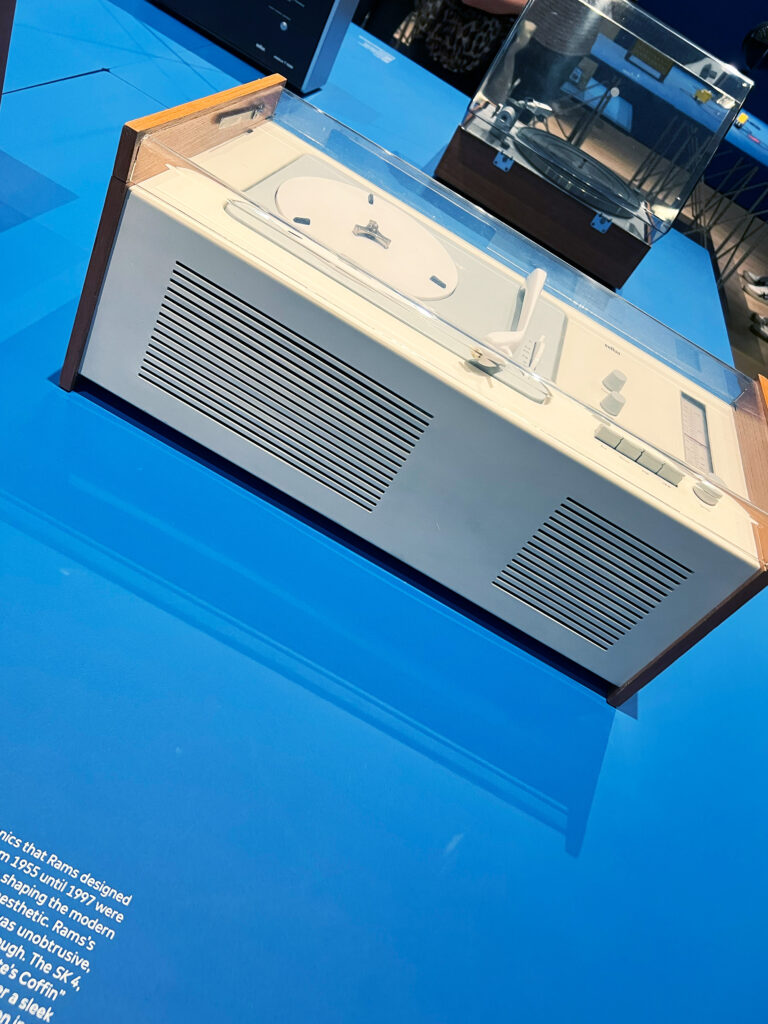
It's important to clarify that I didn’t dislike the art or the playful designs of early audio equipment. Dieter Rams’ work alone was reason enough for me to attend. Those aspects lived up to expectations. The problem was the overall format of the show, particularly its lack of educational and immersive elements.
Based on a few online reviews, I gathered that the exhibit aimed to connect design, art, and music. As expressed by the directors:
"Design has the ability to revolutionize and strengthen our relationship with sound. This unique exhibition shows how trailblazing graphics and design objects fuel our bonds to music and help us develop lasting memories of fleeting musical phenomena…"
—Christopher Bedford, Helen and Charles Schwab Director of SFMOMA
While I appreciate the exhibit's intentional focus on objects and design, to many of us, music is so much more than the devices that play it—it’s a memory, a story, something deeply felt in the body. A show promising to explore the art of music brings high expectations. It should have been thrilling, captivating—an event worth the anticipation. Unfortunately, it felt like a missed opportunity to experience the Art of Noise without encountering the passion, history, or the human connections behind the objects. What was lacking, quite simply, was good storytelling.
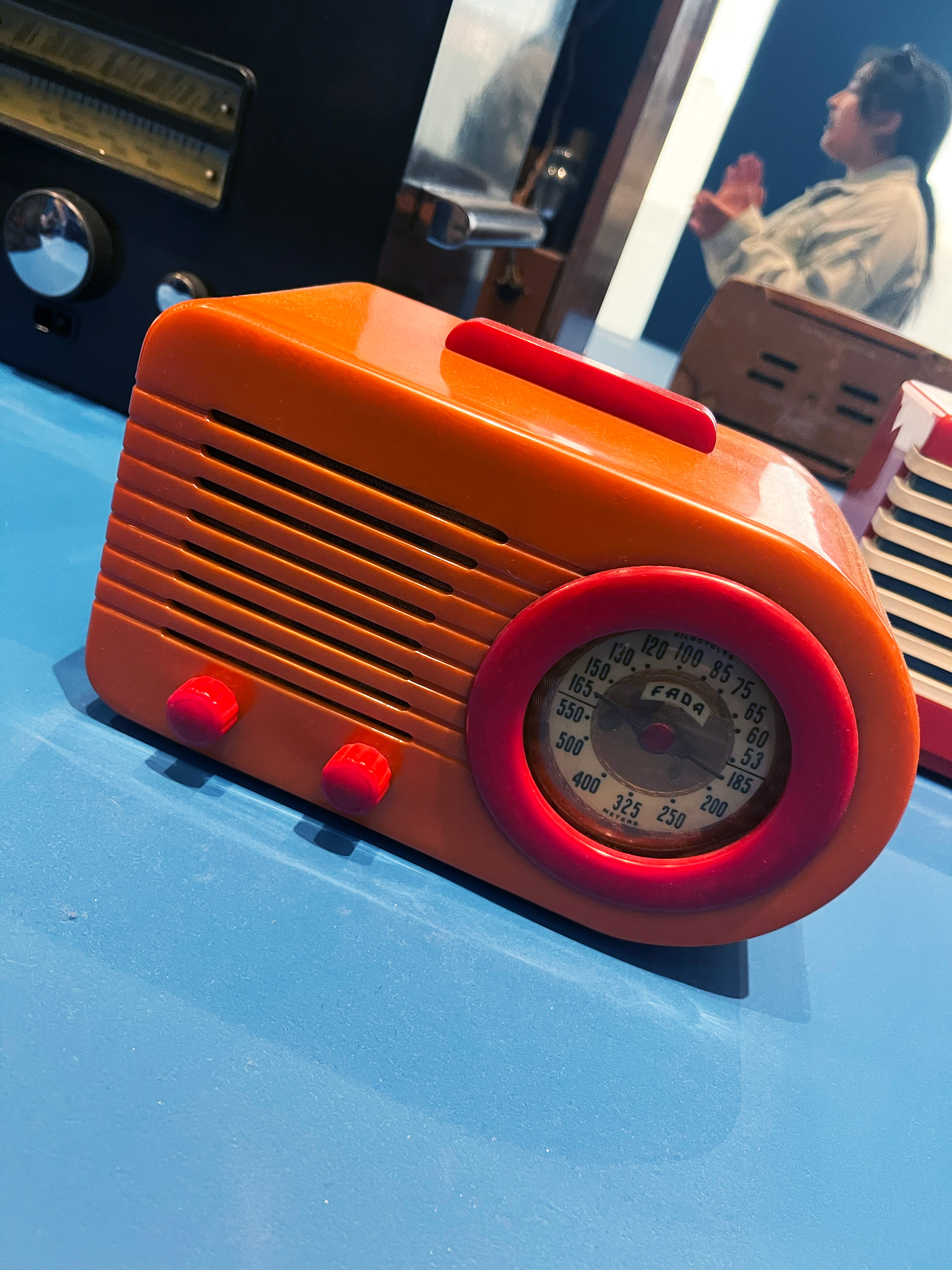
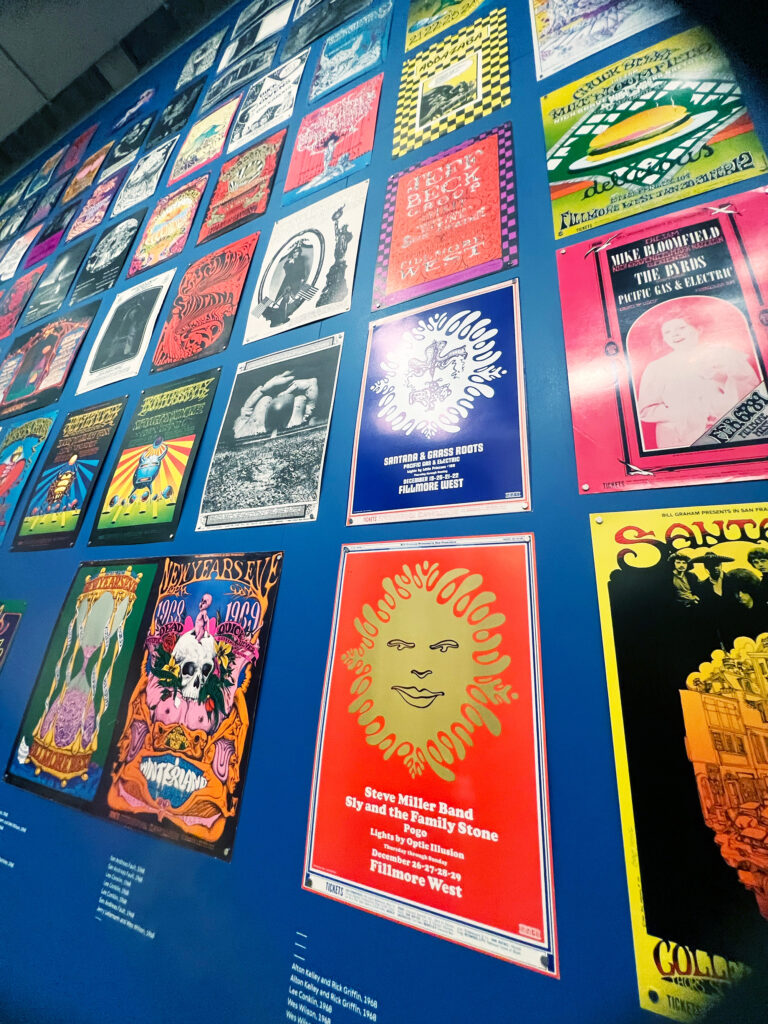
In terms of the experience itself, I found myself cramped in three small rooms, surrounded by far too many people, as the temperature control failed miserably. The towering 11-foot ceilings made it difficult to see anything displayed above the crowd. Visitors jostled through a wall-to-wall tapestry of visuals, with little context, meaning, or explanation. Iconic studios, print shops, and their works were reduced to a scattered catalog, reminiscent of an Instagram feed—only a few pieces had more than a brief blurb of information. It felt like the show catered to the "design in-crowd," where simply mentioning Milton Glaser would result in approving nods.
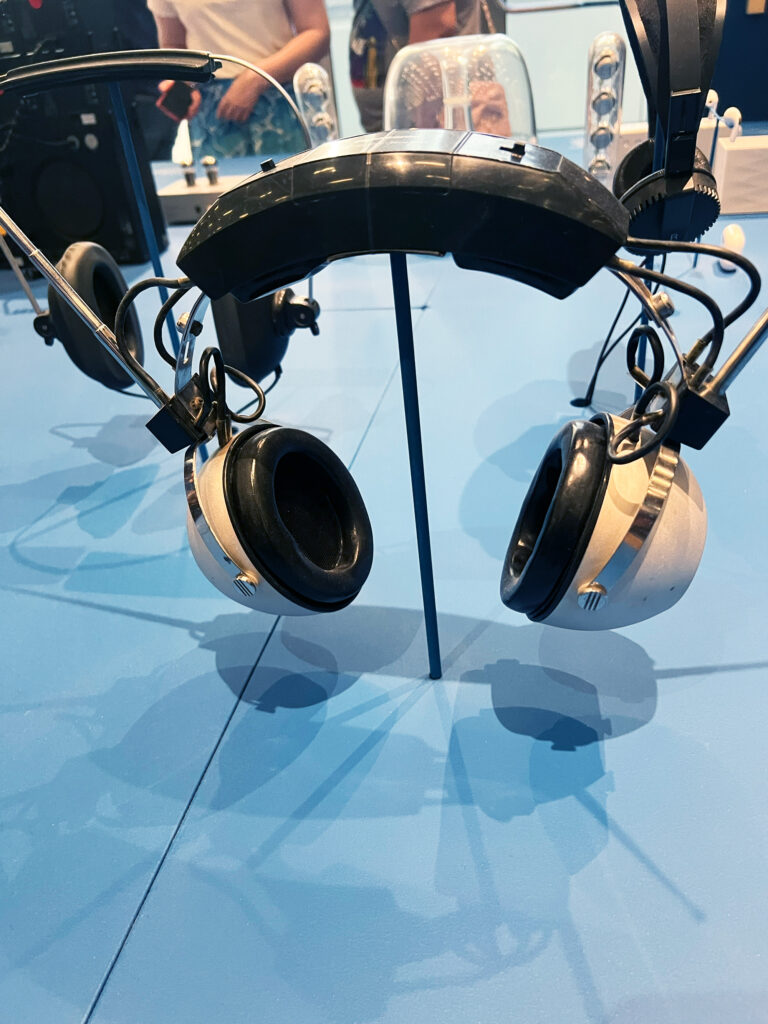
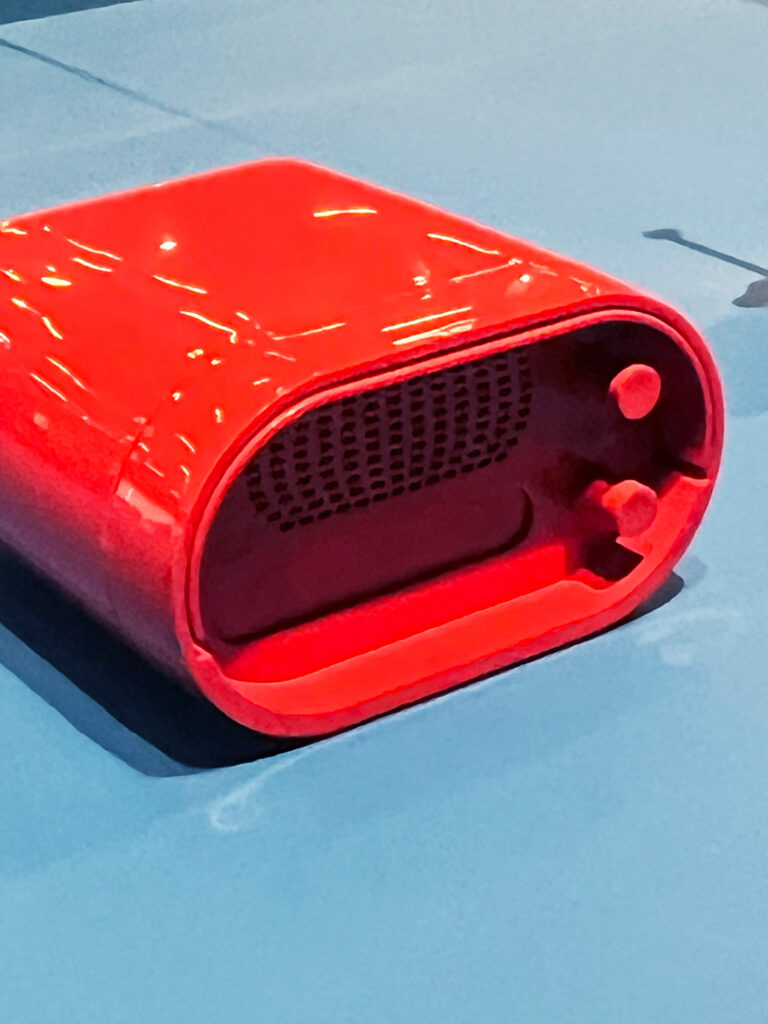
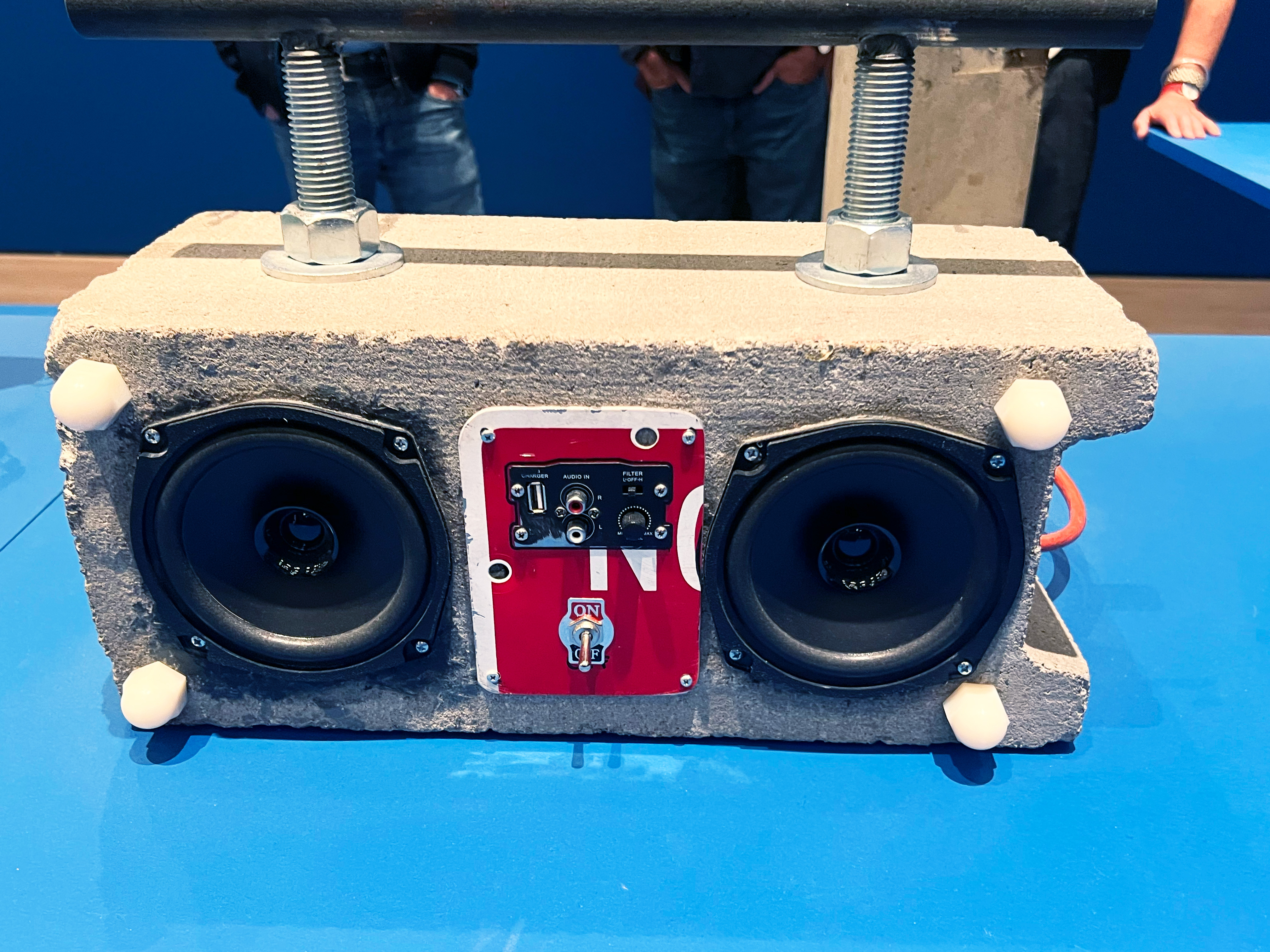
The equipment room was another letdown—none of the devices were functional. Spread out across tables, the objects were cataloged by decade but accompanied by no more than a few sentences of context. The fact that I couldn’t touch a Walkman was laughable—it’s hardly an ancient artifact, yet it was treated like a relic to be carefully locked away.
The curator claimed that "objects like the Walkman and iPod tell stories that, even if you didn’t own one, you understand." I couldn’t disagree more. A 10-year-old who has never seen a rotary phone isn’t likely to grasp the significance of an iPod—not without understanding how it revolutionized the way we listen to music. Without a deeper narrative connecting the object to its historical impact, we can’t fully appreciate its design.
Throughout this experience, I found myself reflecting on the role of museums in engaging and educating the public. A curator’s responsibility is to place objects within their historical context and offer meaningful insights. Today’s immersive technologies offer powerful tools to enhance this storytelling, yet here, they were nowhere to be found. The objects were revered, but the people behind them, and most importantly, the music itself, were reduced to little more than footnotes.
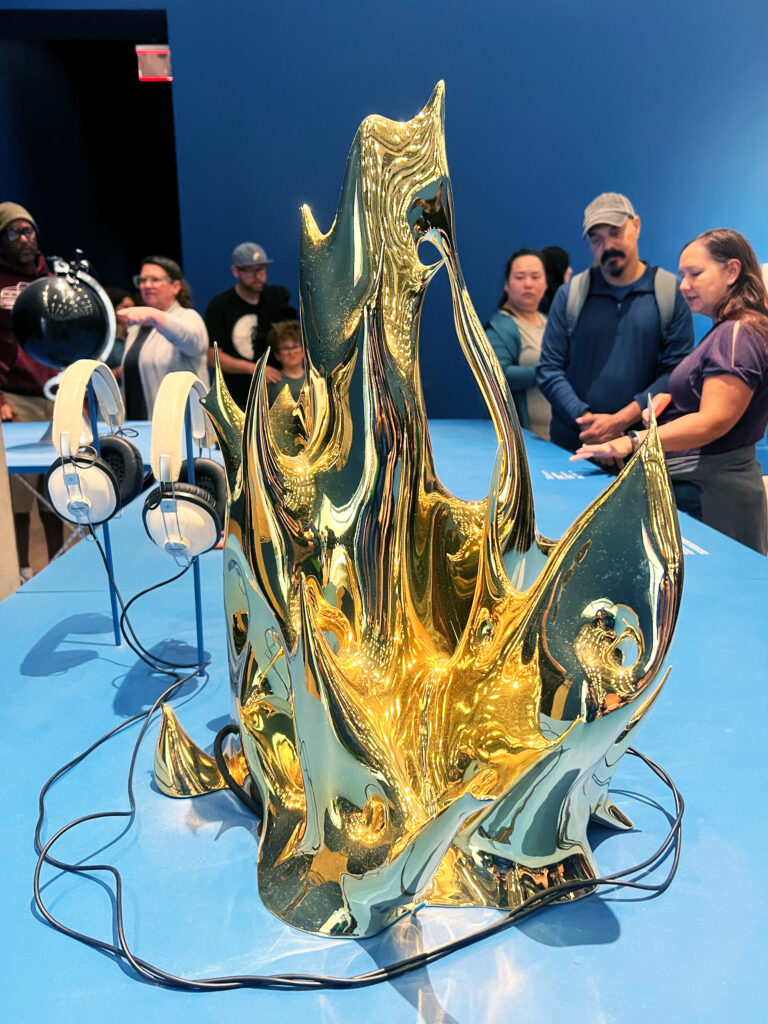
The exhibit’s redeeming feature was the Devon Turnbull HiFi Pursuit Listening Room, where, finally, music was the focus. It offered the kind of contemplative experience I had hoped for, but the space was far too small. I longed for a larger room, perhaps a theater, where we could lie down on soft mats and gaze up at a dome ceiling displaying projections—nature, abstractions, VJ graphics—something to match the musical atmosphere.
In the end, none of these critiques overshadow the fact that the artifacts themselves were beautiful. The poster art stood the test of time, and the design work was undeniably brilliant.
Perhaps, instead of criticizing this particular exhibit, I want to point toward a larger conversation about the evolving role of museums. In recent years, a shift has occurred, with younger, more diverse curators—approaching exhibits through post-modern, queer and feminist lens—taking over key exhibition spaces in art cities all over the world. These curators are infusing exhibits with rich narratives about communities historically left out of museum discourse, redefining what these institutions can and should be.
This shift challenges the traditional reverence for objects, which is no longer sufficient in a world grappling with environmental degradation, political unrest, and social upheaval. Instead the curators are becoming storytellers, and museums are a participatory body in a larger cultural conversation about our present and the future. It's simply not enough to place objects on the table, even the "beautiful and well-designed objects"—you have to connect and engage, you have to preserve the history and speak to the place and time-not just point to a place on the map. This is perhaps the biggest issue with this exhibit—the curators were just removed observers looking at objects, showing without the telling, removed vs. engaged and therefore not engaging.
Museums need to recognize this shift and embrace new forms of narrative. Technology—AR, VR, AI—shouldn’t just be gimmicks; but instead serve as powerful tools for educating and immersing audiences in meaningful stories.
Experience designers are uniquely positioned to embrace this potential. By crafting multi-dimensional, intellectually engaging exhibits, they can take on the role of cultural historians, creating spaces where we don’t just observe but actively engage with the past, present, and future.
I fear that those museums that can't grasp the importance of creating well-rounded exhibits with robust storytelling risk becoming like trendy Instagram feeds—fast, superficial, and forgettable.
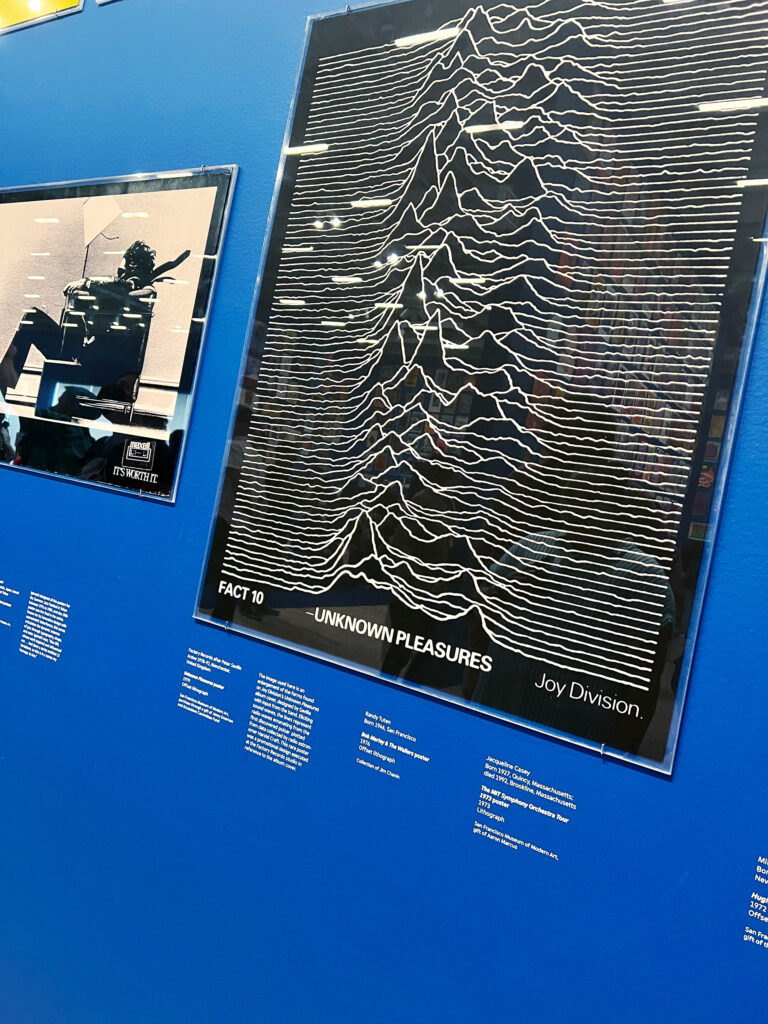
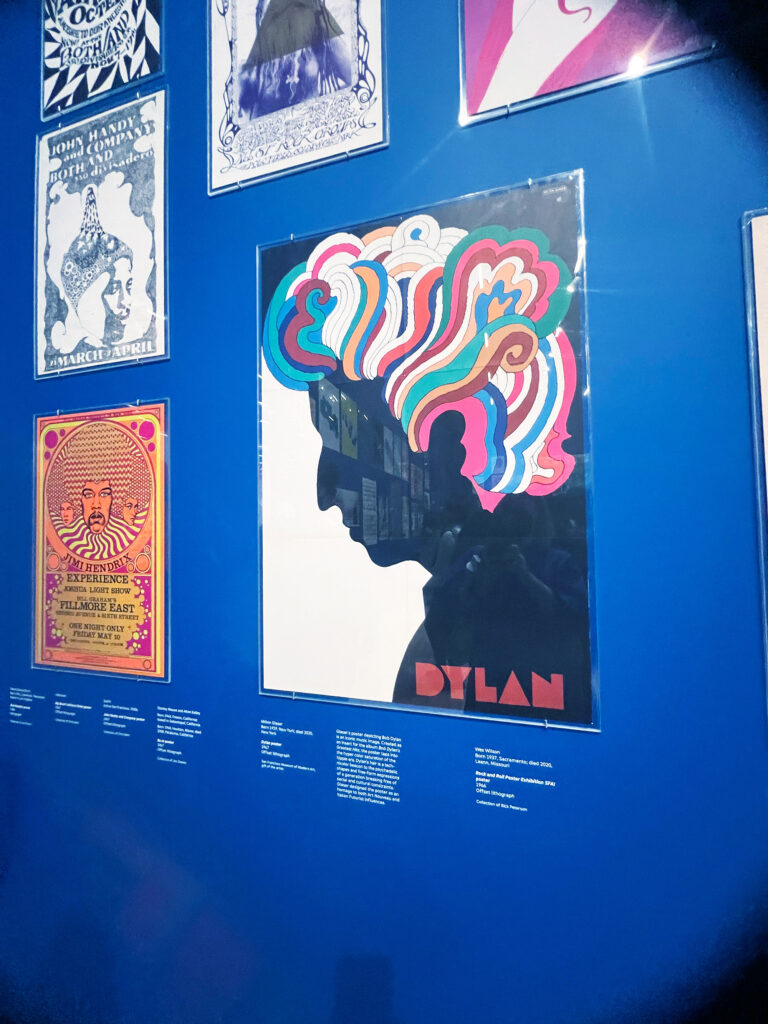
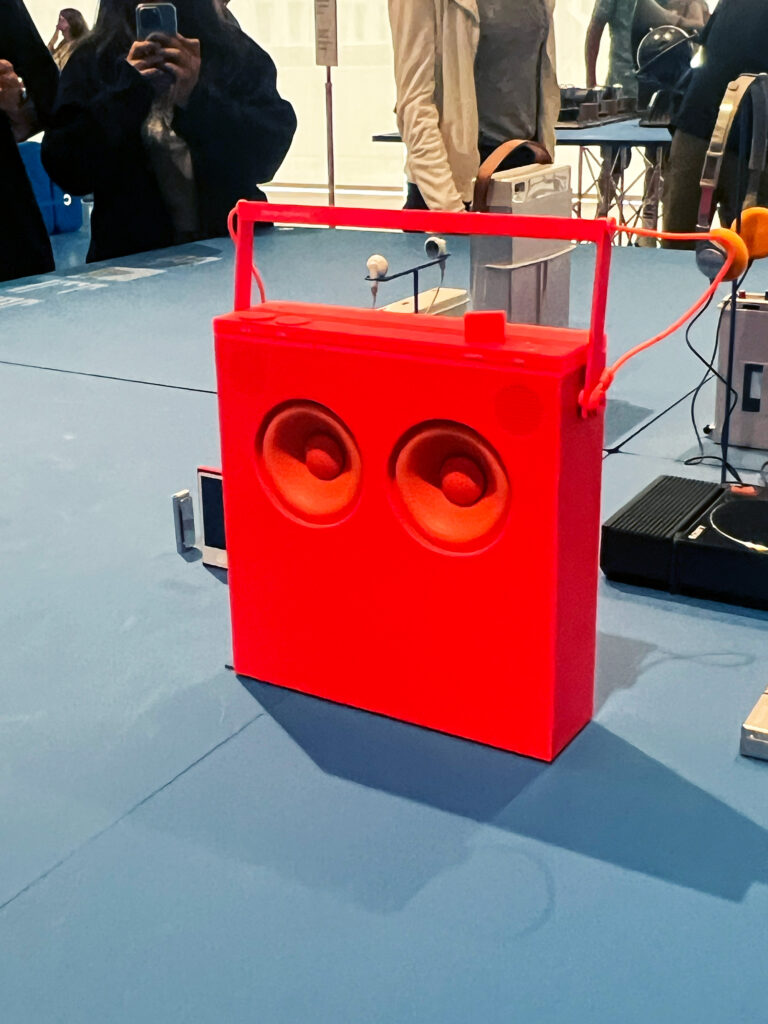
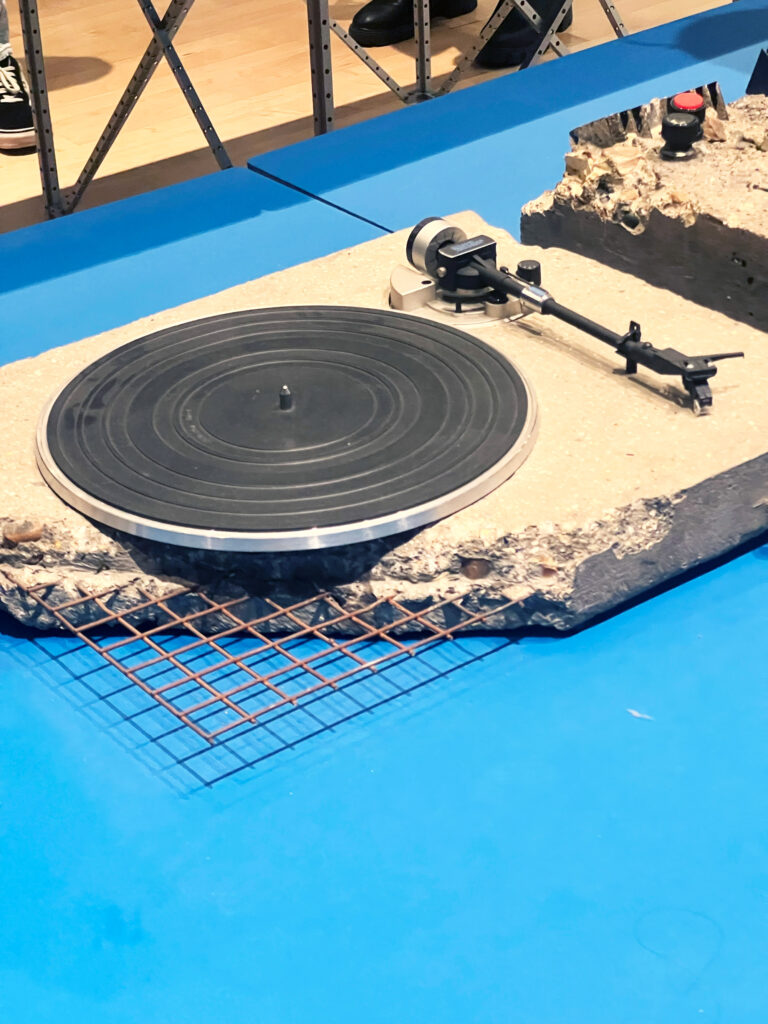
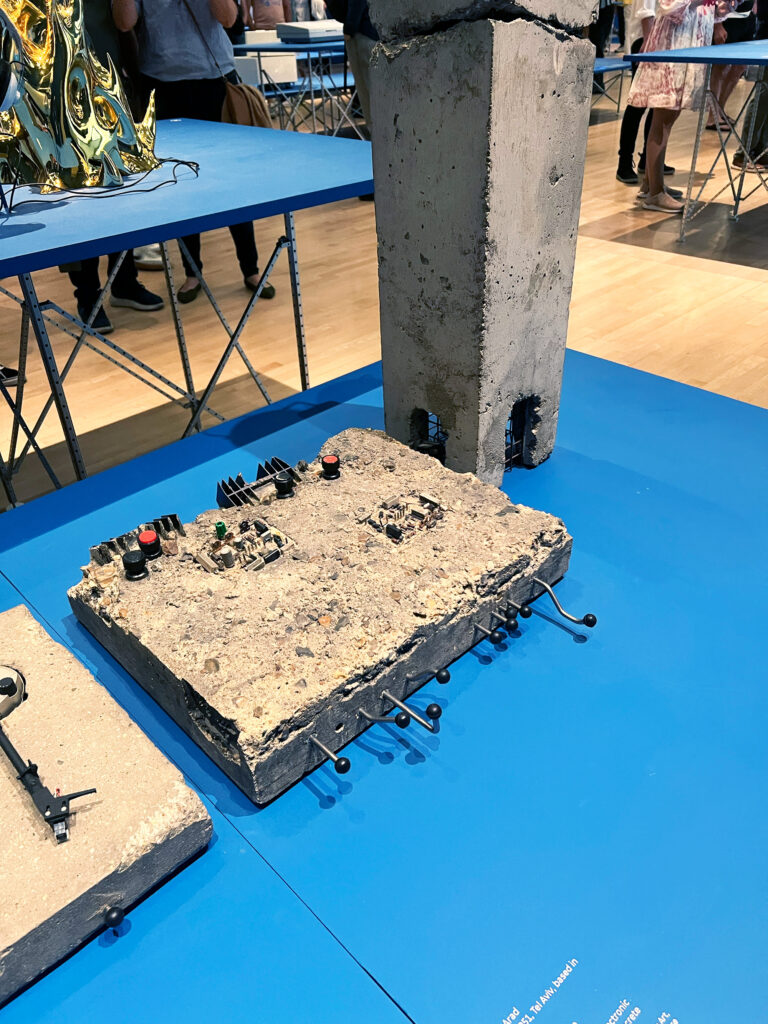
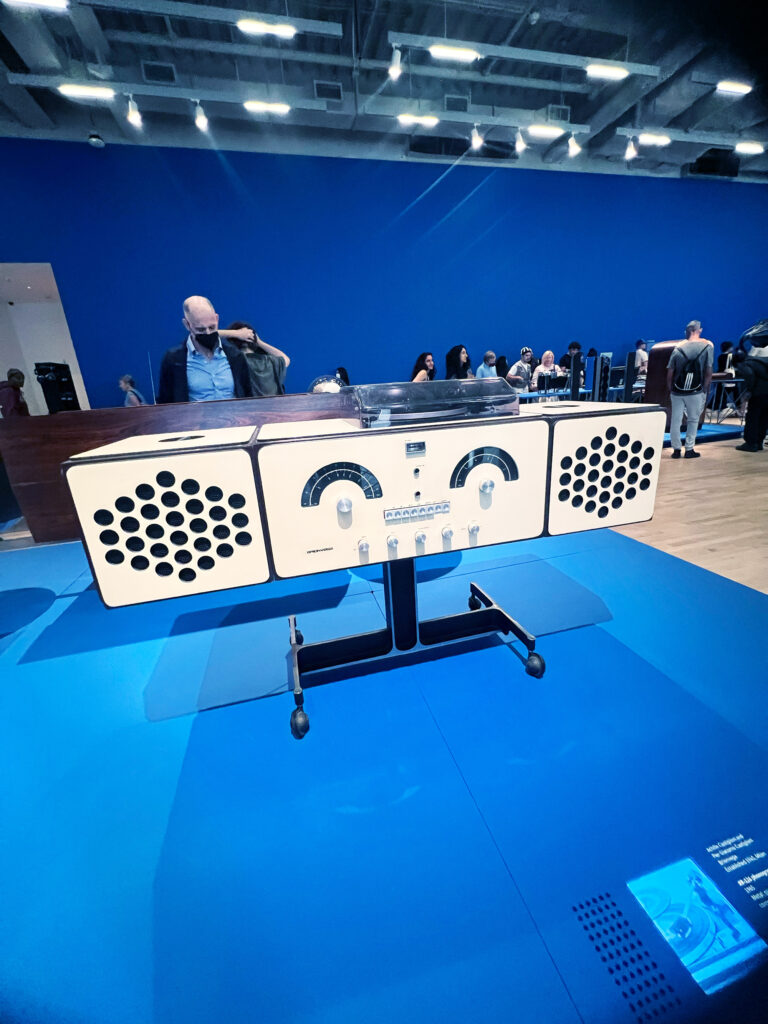
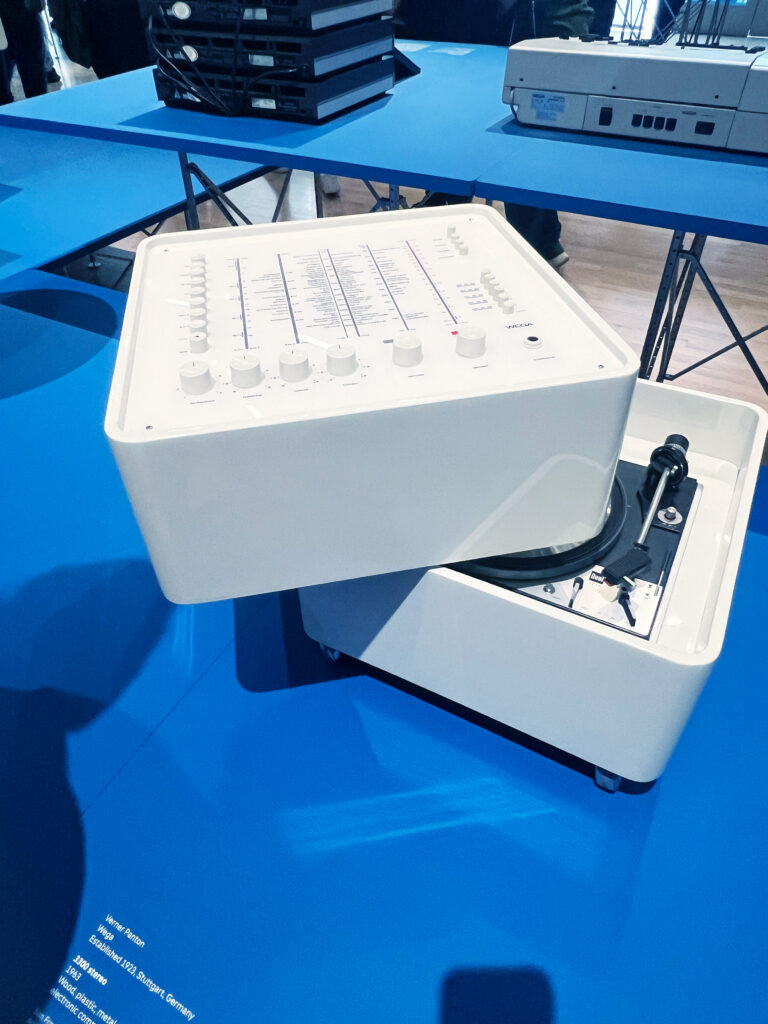
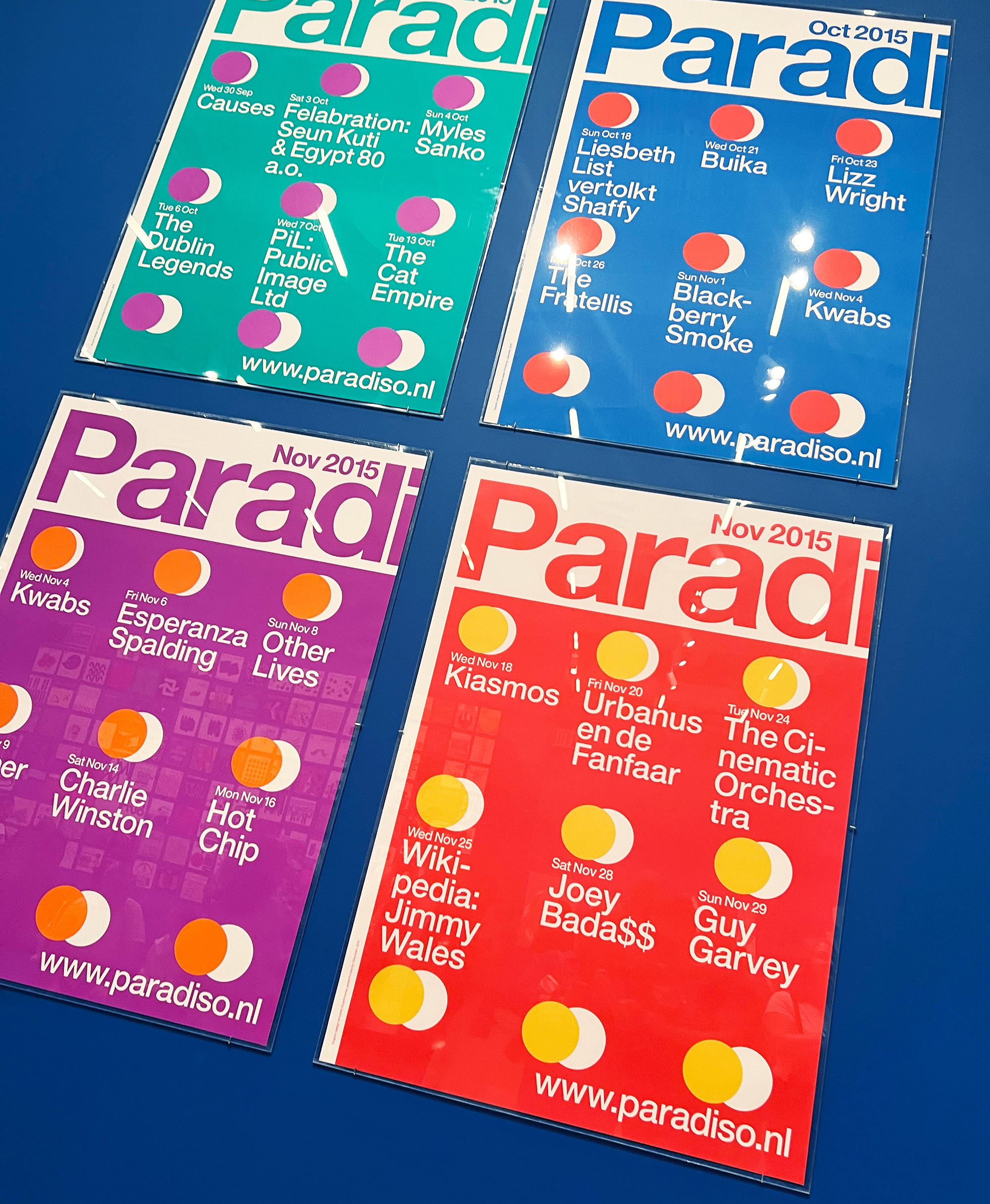
The post Art of Noise: Is the Object Enough? appeared first on softverb.
]]>The post Between Art and Design Pt. 1 appeared first on softverb.
]]>SPOILER ALERT: If you are planning to visit the Venice Biennale this year, consider skipping the photos and reading on.
The Biennale prompted a reconsideration of my approach to environmental graphics, particularly in the context of creating work that operates at the intersection of art, commerce, and design—a domain that is inherently client-focused and largely oriented towards brand representation.
As a former fine artist I am accustomed to engaging with art that is substantiated by an artist’s statement, conceptual framework, or at minimum, a formal theme. Many years ago, I was instructed that each piece of art should be accompanied by elaborate art discourse and should be grounded in a concrete idea—the more subversive to the established norms of the art elite, the better. This is why I am naturally drawn to movements such as Russian Constructivism, Situationism, Dada, political art, and feminist art—all of which are characterized by their rich narrative content and spirit of defiance.
Conversely, as an environmental graphic designer, I shift away from this perspective and instead contextualize my work within the parameters defined by the client’s brand. There is no resentment in this approach; commercial art is, by nature, a service profession. Those who approach it otherwise will soon learn (often through challenging experiences) that the client’s marketing team possesses a formidable intellectual acumen regarding their engagement objectives.
A notable segment of environmental graphic design (EGD) firms, including Soft Verb, highly values the influence of pop art in our day-to-day setting, often employing fine artists, illustrators, and graphic designers for substantial projects and statement pieces in workplace or hospitality markets. Art in the form of installations, sculptures, or murals imparts a unique energy and public prominence to any space.
This goes both ways— the relationship between graphic designers and the arts is also noteworthy. Increasingly, museum exhibits are dedicated to designers who navigate both realms. For instance, SF MOMA’s exhibit “Art of Noise” celebrates not only graphic art but also the intersection of music and technology (I wrote about this exhibit and it's shortcomings in another post.) Conversely, less ambitious ventures, such as the Museum of Ice Cream or Museum of Color, exist at the intersection of Instagram and physical reality. Prominent designers such as Wade & Leta and Stefan Sagmeister have increasingly transitioned from commercial design work to producing conceptual exhibitions (as evidenced by the "Now is Better" exhibit). They decisively blur the lines of art and commerce, leaving us pleased yet confused—perhaps in a good way.
Mariana Custodio’s insights in their gallery blog encapsulate this symbiosis effectively: “Graphic design has borrowed liberally from its fine art counterpart, adopting bold colors, dynamic compositions, and cultural references that epitomize the spirited essence of Pop-Art. Similarly, Pop Art has embraced the functionality of graphic design to create artworks that resonate with the masses, often in a commercially viable manner.”
This intersection has generated a marketplace rich with opportunities for both artists and designers. This is perhaps where EGD operates best—balancing the realms of Pop Art, brand messaging, and contemporary aesthetics. We as EGD designers still aim to create work that is aesthetically relevant and imbued with meaning (brand meaning that is.) Our "art" is constructed around a commercial concept that must be comprehensible to the public and/or internal teams, among various other considerations. However, the meaning is largely determined by the marketing and business objectives of the client.
This situation may confine us to a realm of universal and repetitive themes and buzzwords such as community, global reach, evolution, technology, and connections—often used interchangeably under the guise of a unique concept. This is an inherent characteristic of commercial brand art, and there is merit in being both digestible and pragmatic. Nonetheless, we must continue to produce work that remains culturally relevant—an area where some EGD designers excel.
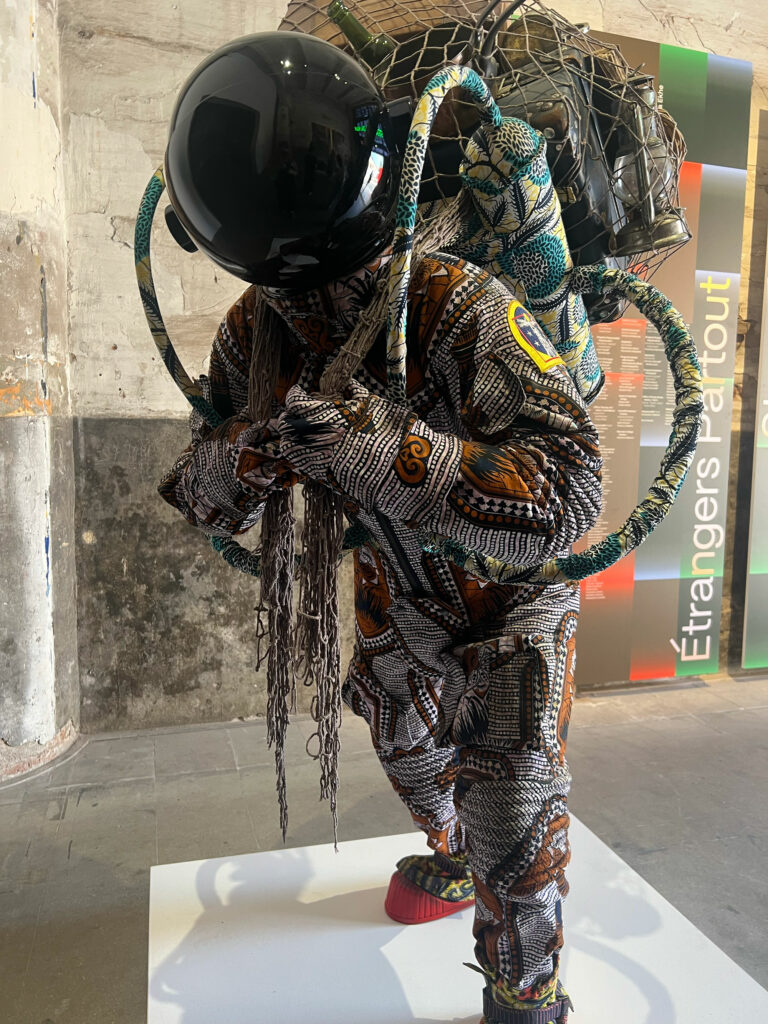
Having observed such a diverse array of fine art at the Biennale (including conceptualism, classical painting, installations, and video kitsch on the theme of "Foreigners Everywhere"), I am left contemplating whether the domains of EGD and high art ever intersect.
Is there potential for high-concept art to be featured in corporate environments? I am not referring to interactive video screens or colorful abstractions related to corporate earnings (although these are engaging options—albeit challenging to realize without advanced technology). Instead, I am considering whether commercial art can be substantive enough to narrate a broader cultural story. Or are these two spheres inherently mutually exclusive?
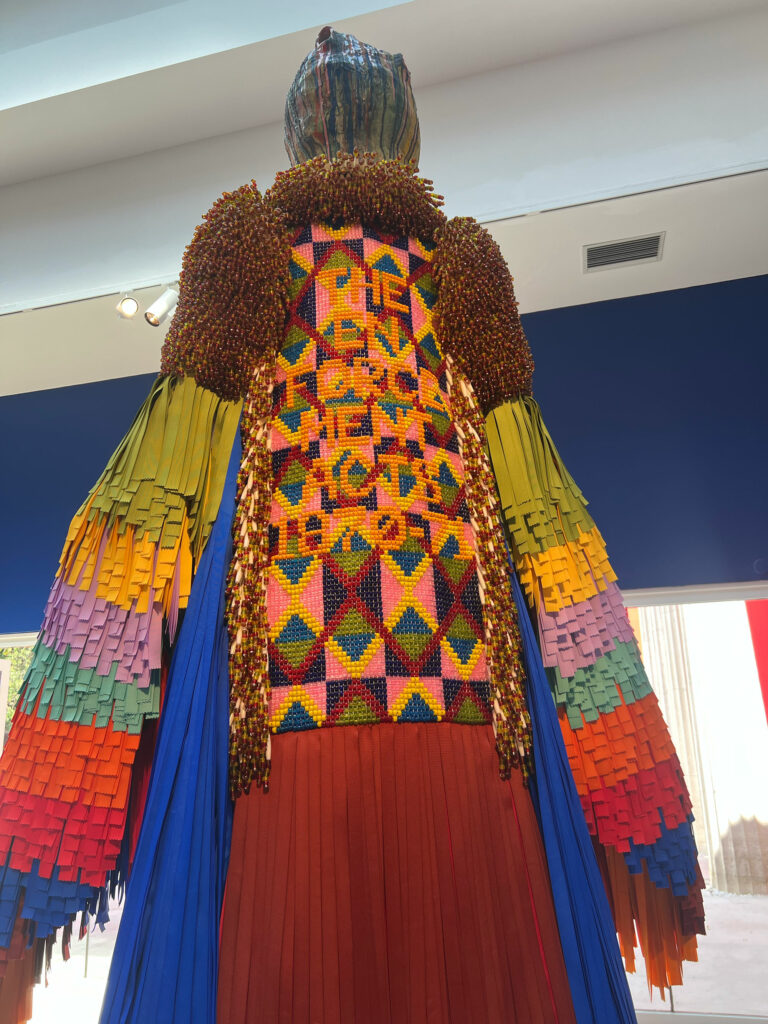
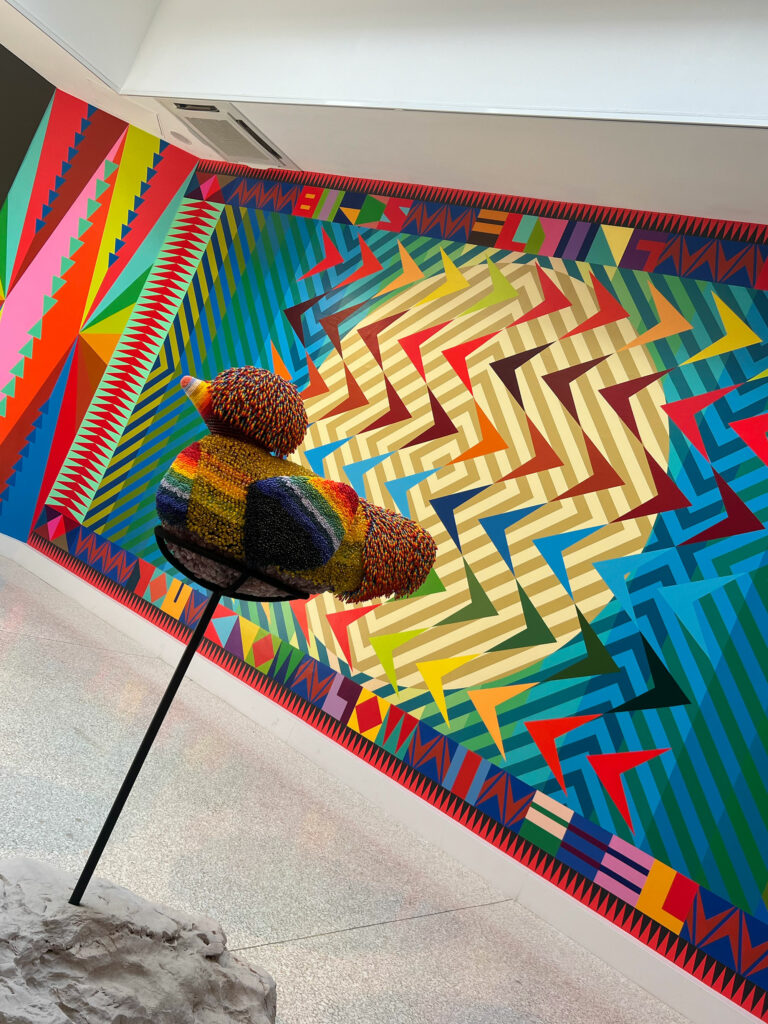
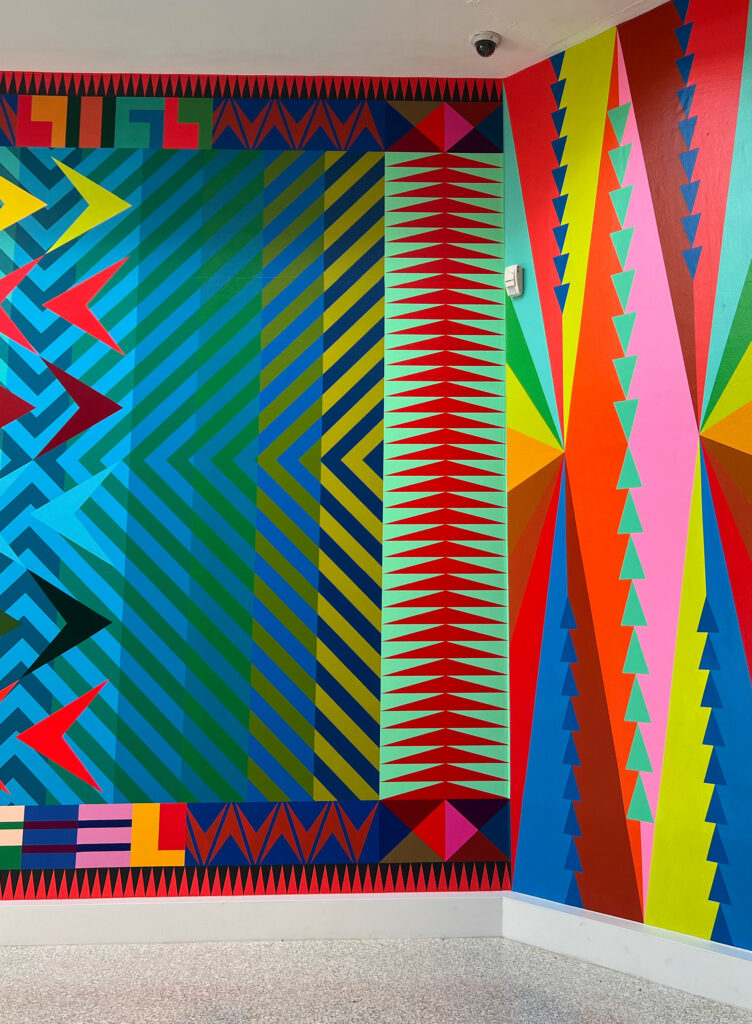
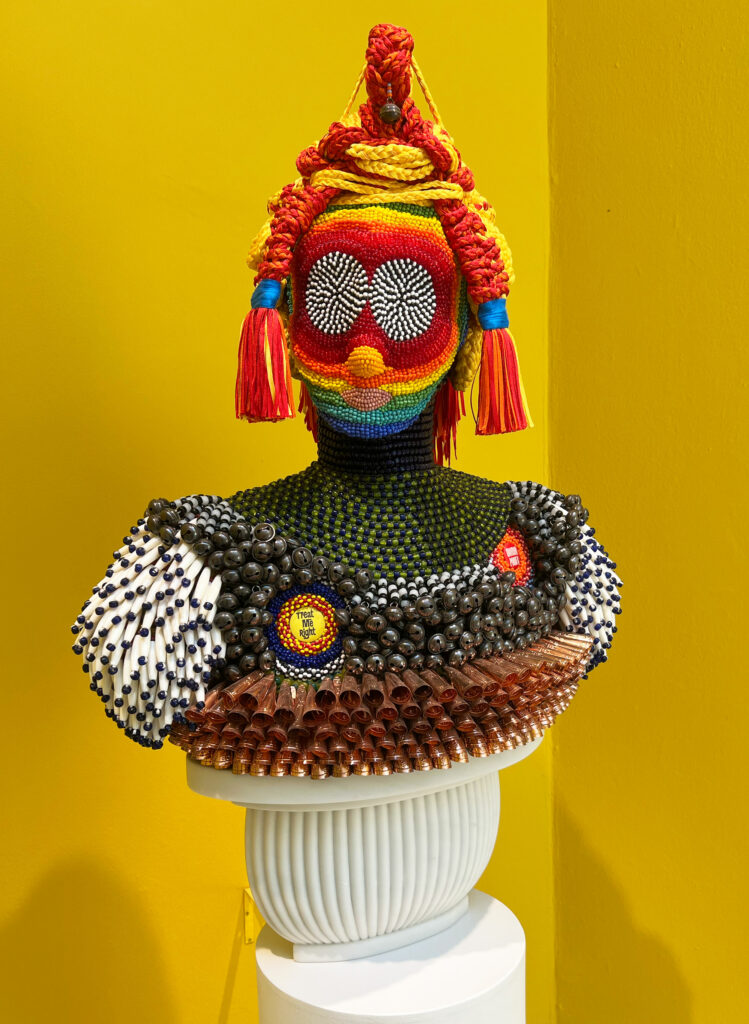
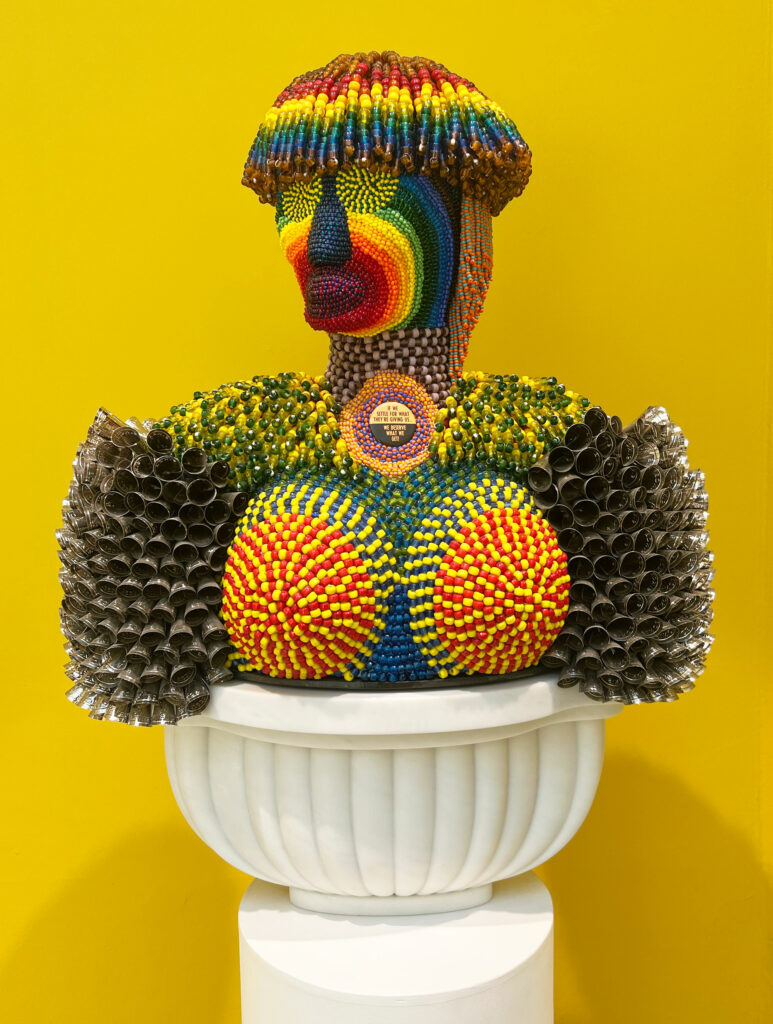
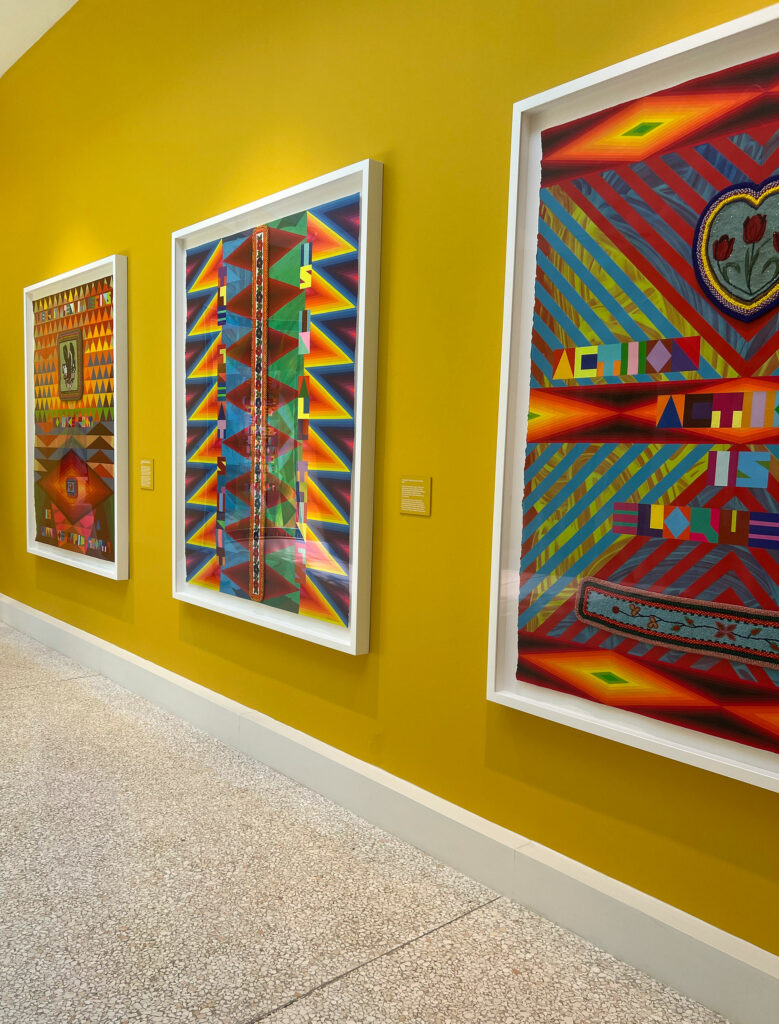
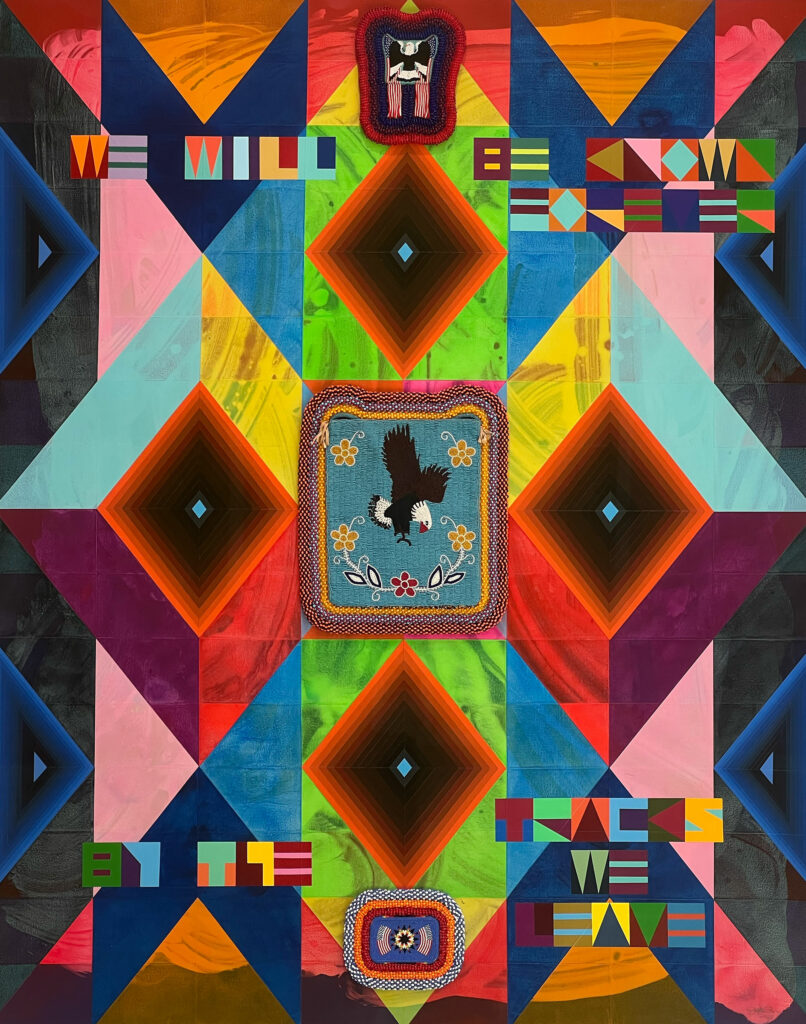
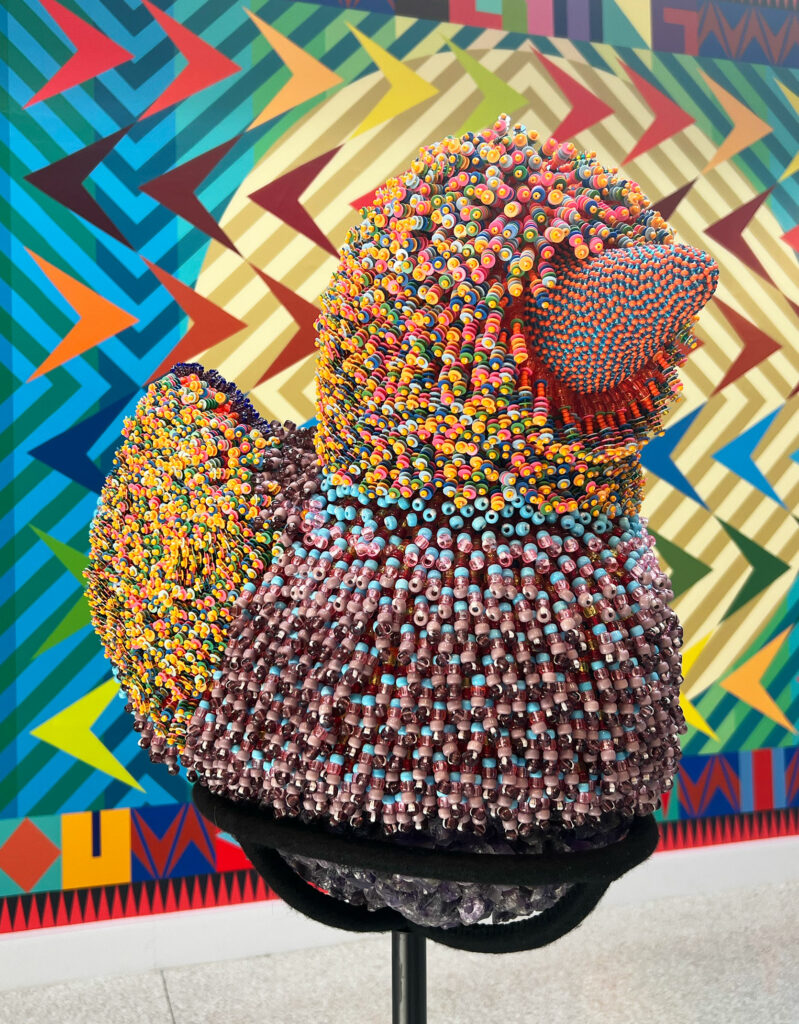
Perhaps part two of this post will appear with some great examples of high art in corporate spaces. For now as we ponder these questions, let's enjoy a Venice Biennale roundup of our favorite art pieces:
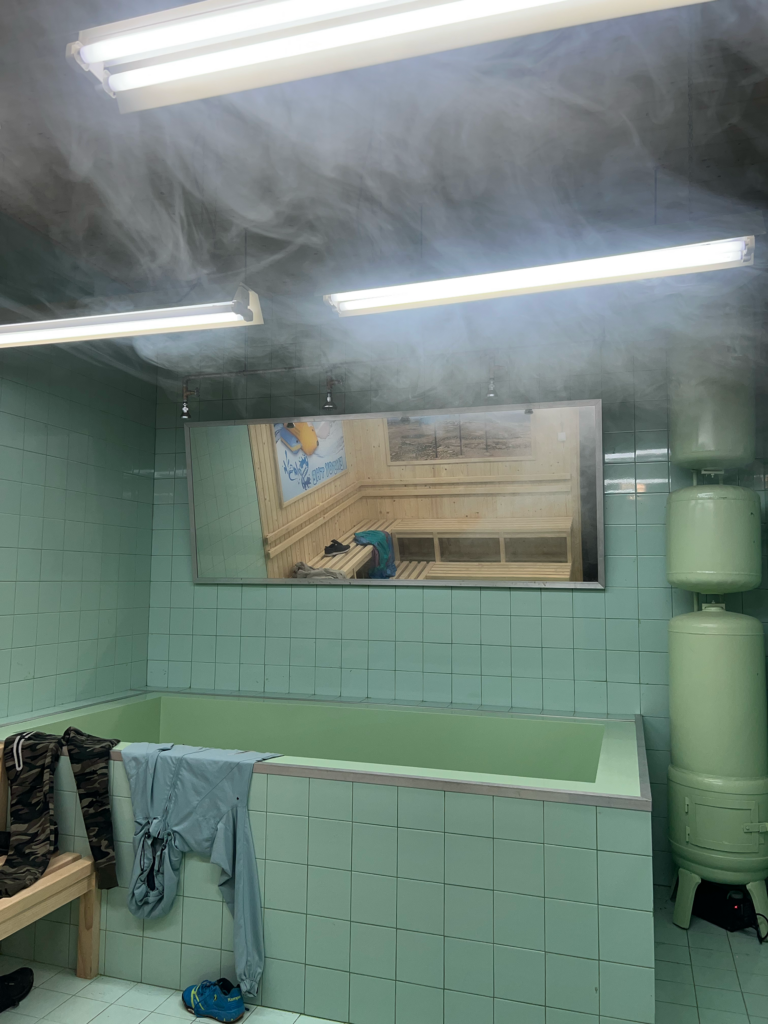
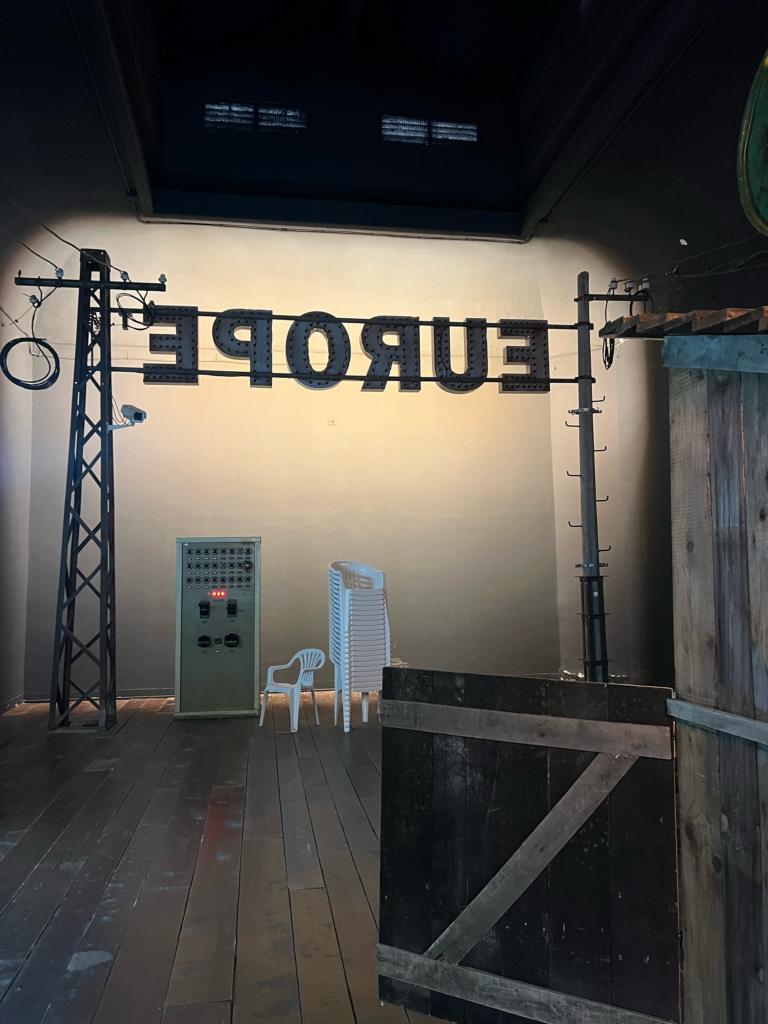
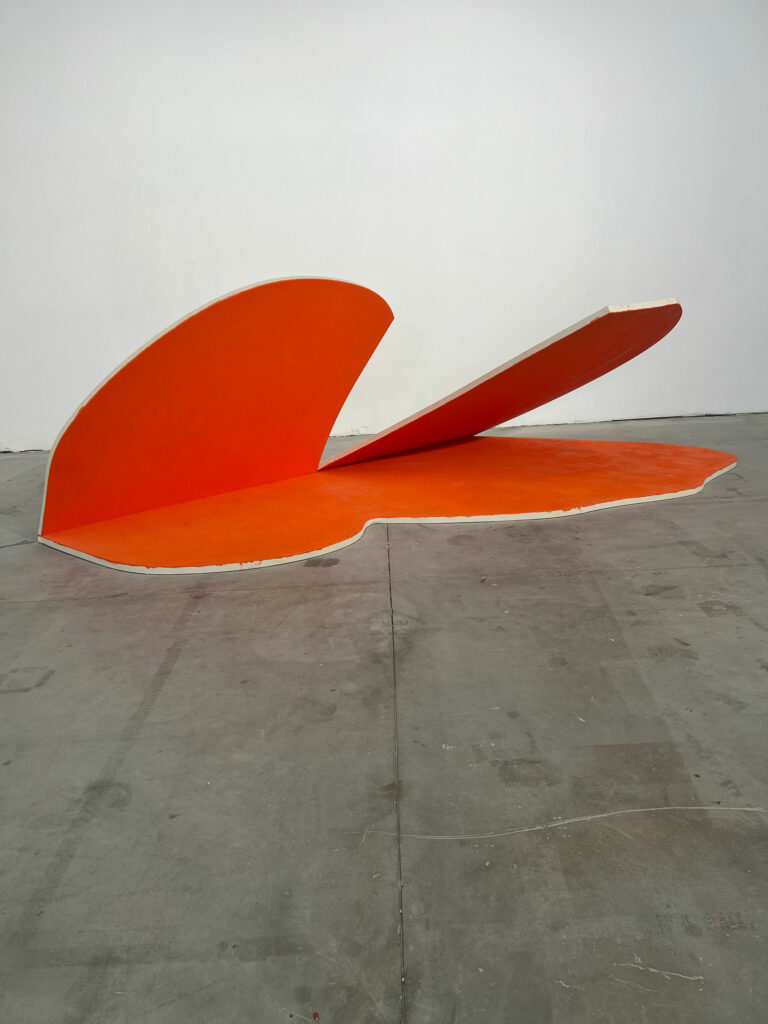
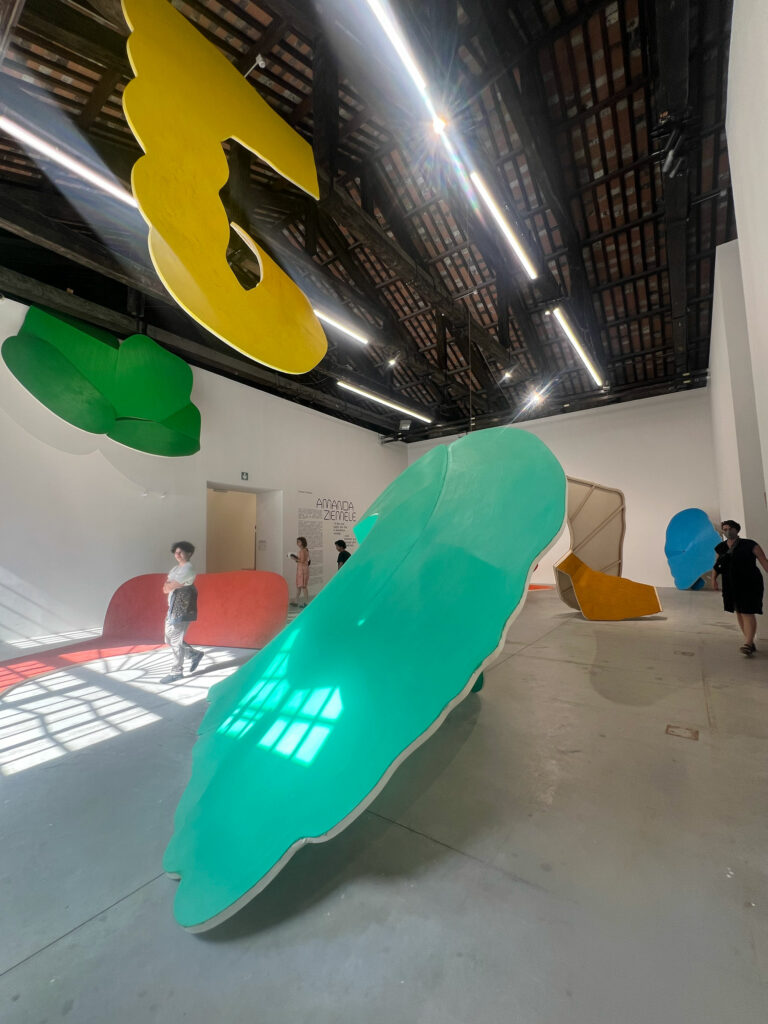

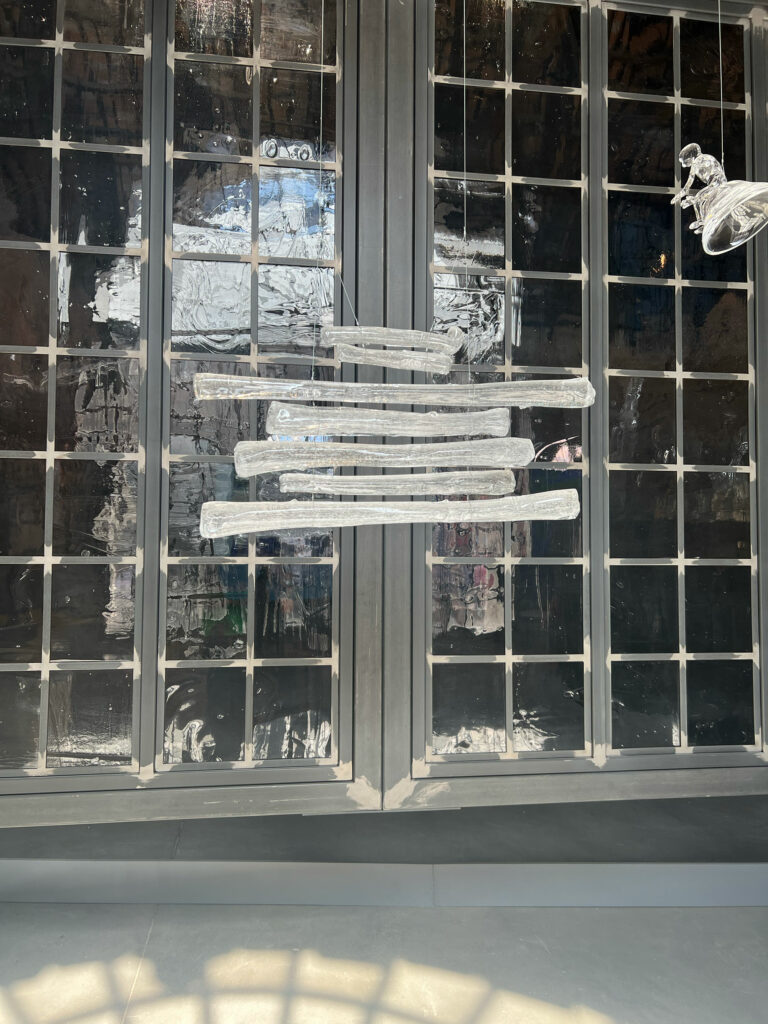
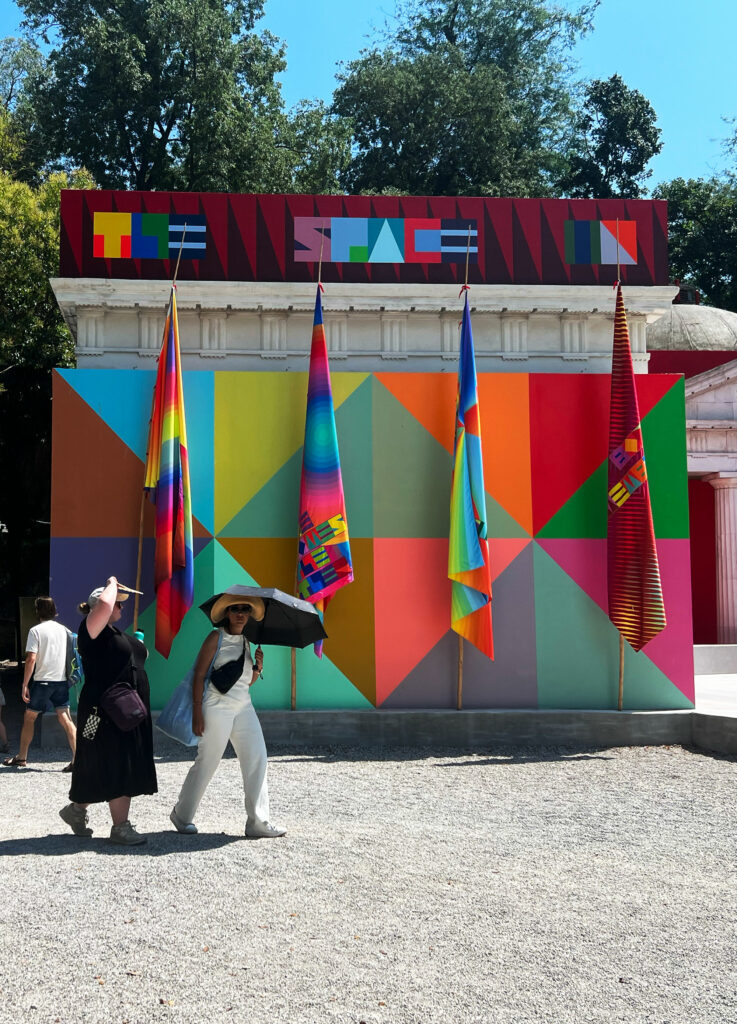
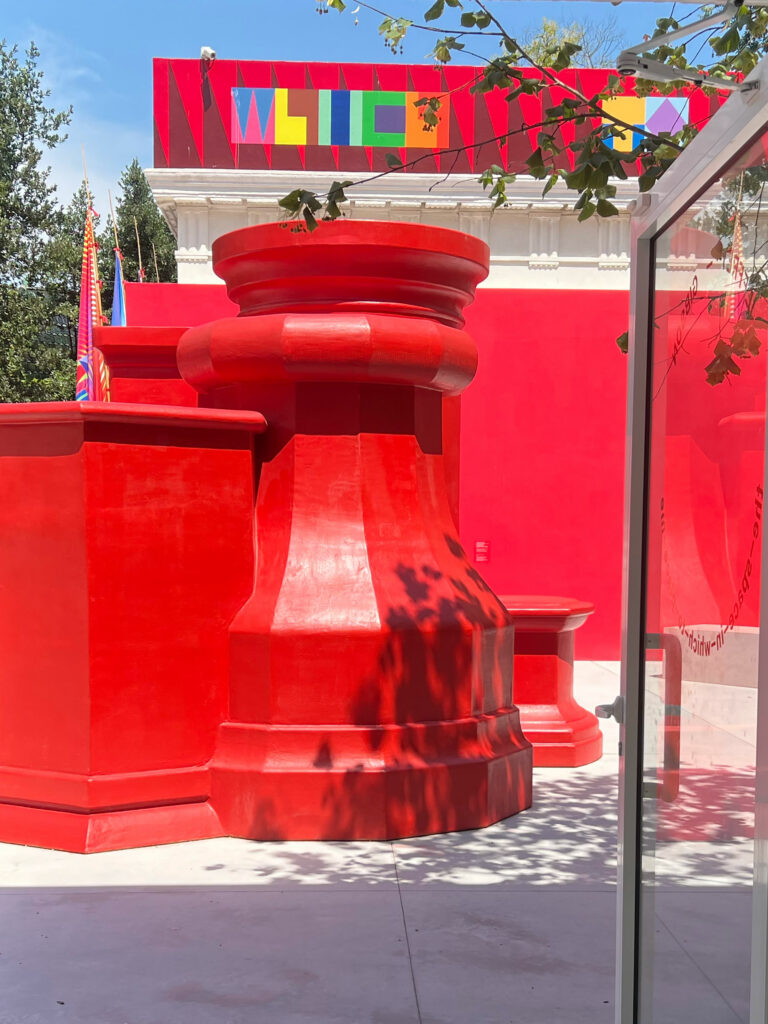
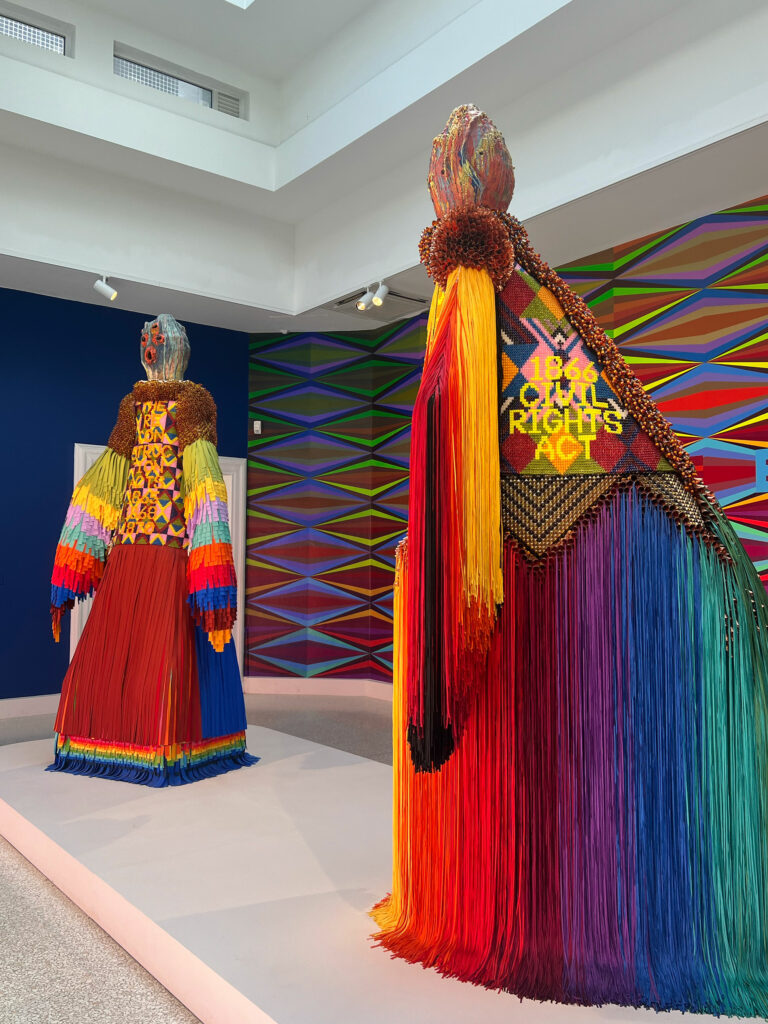
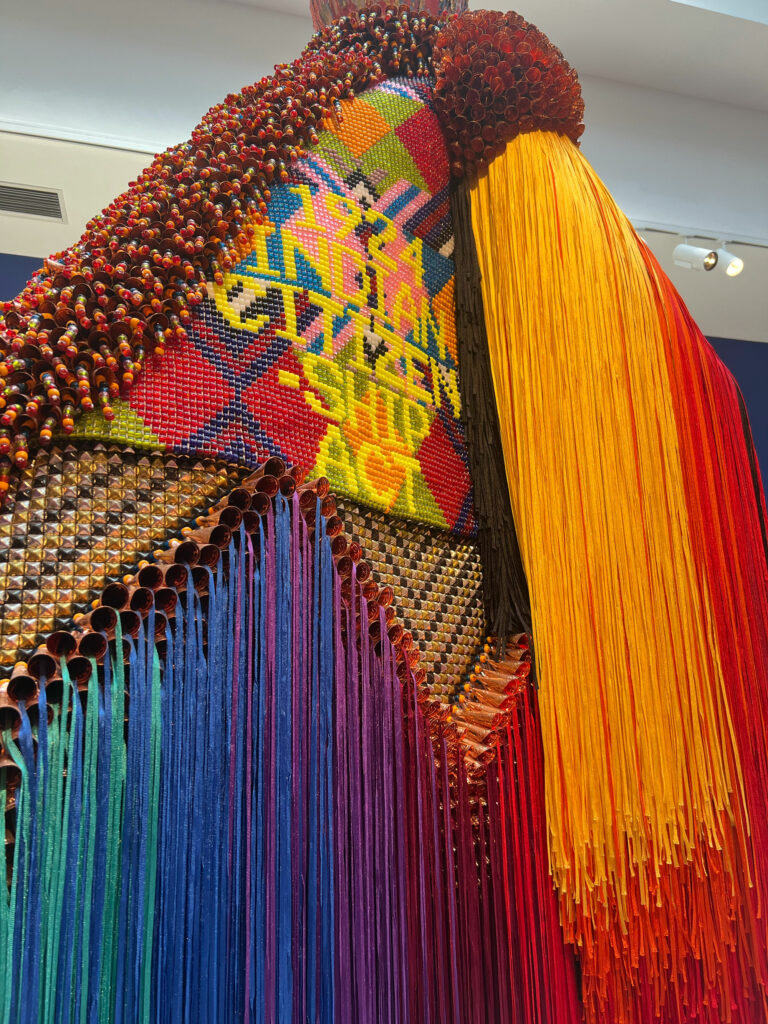
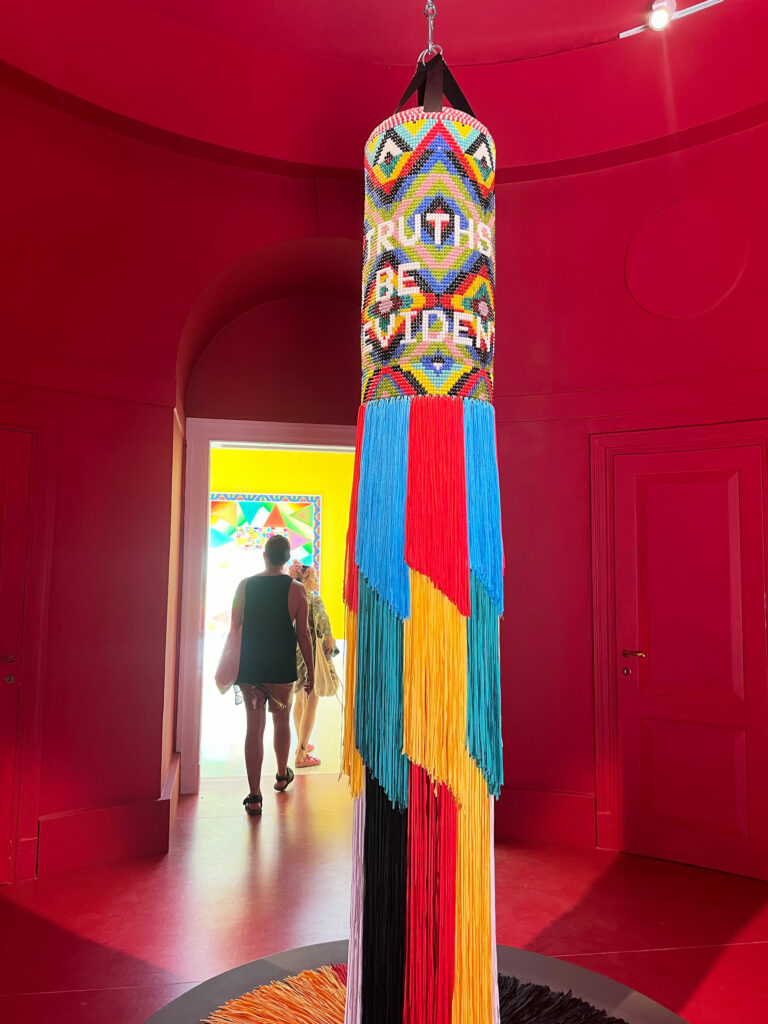
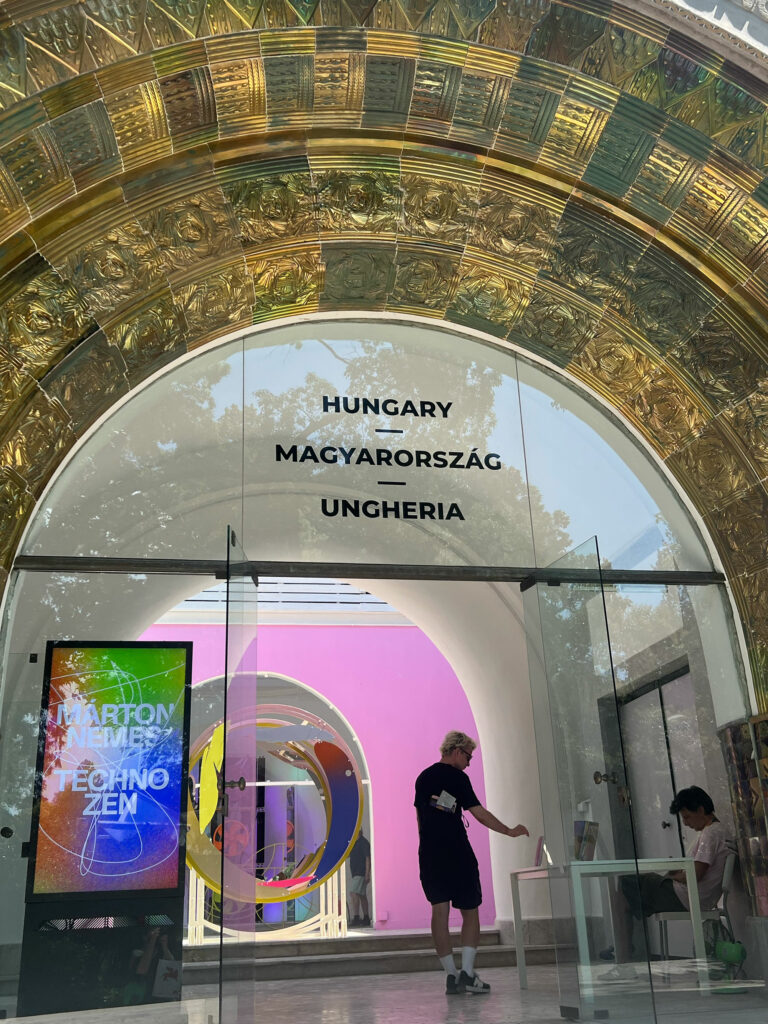
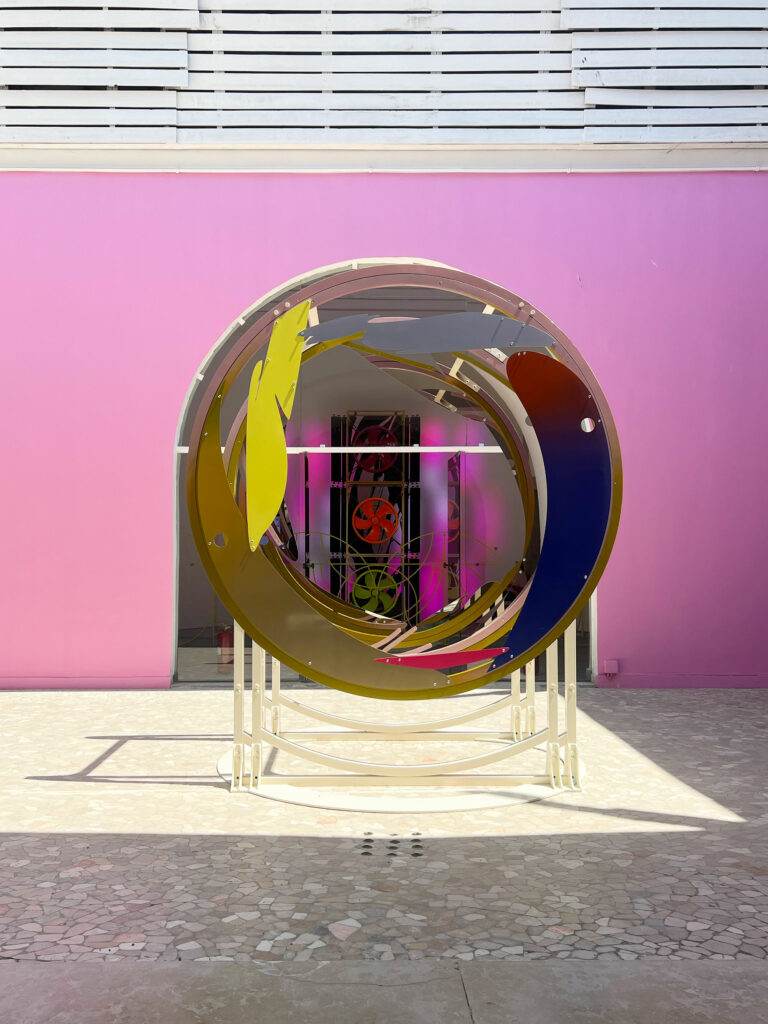
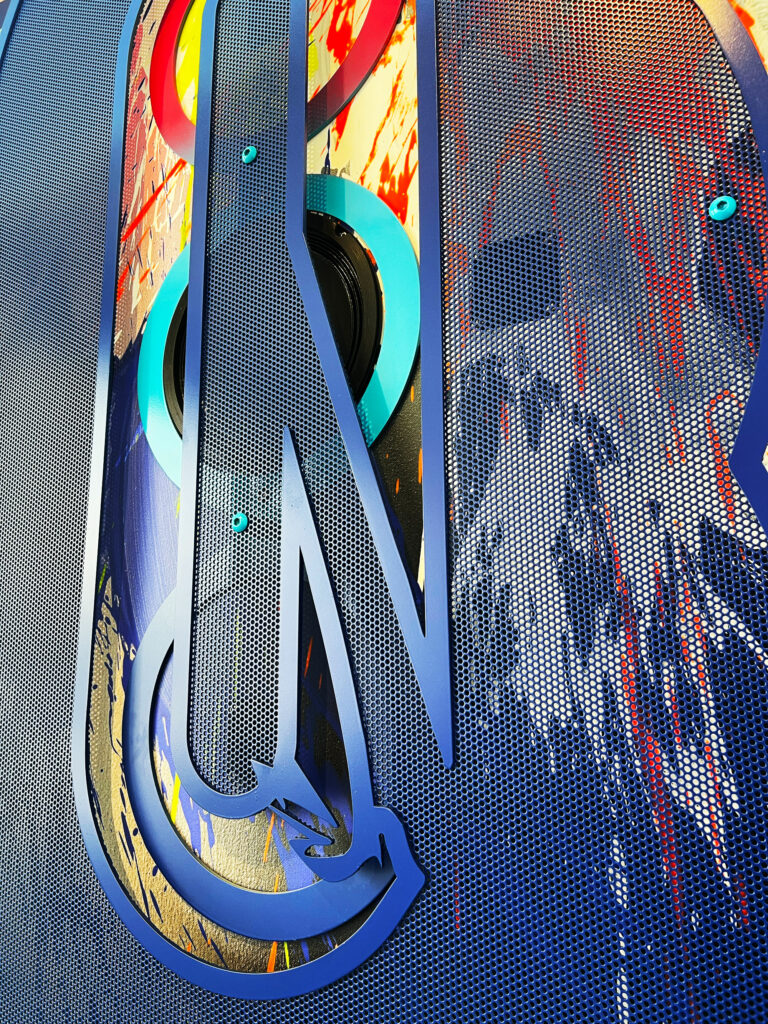
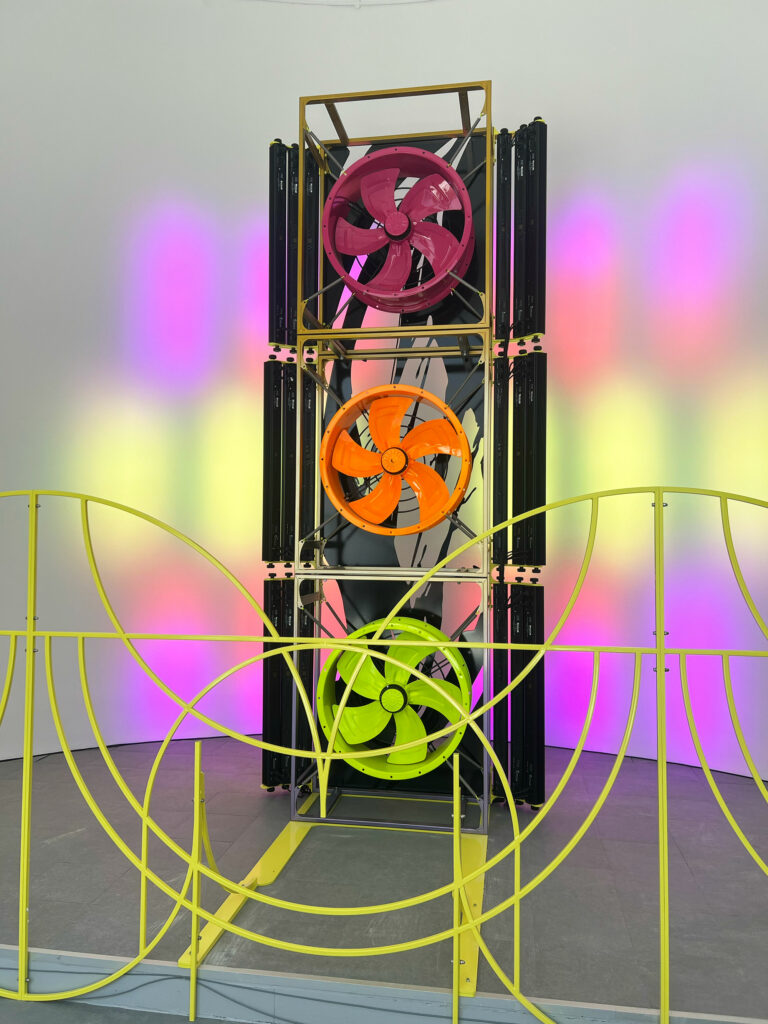
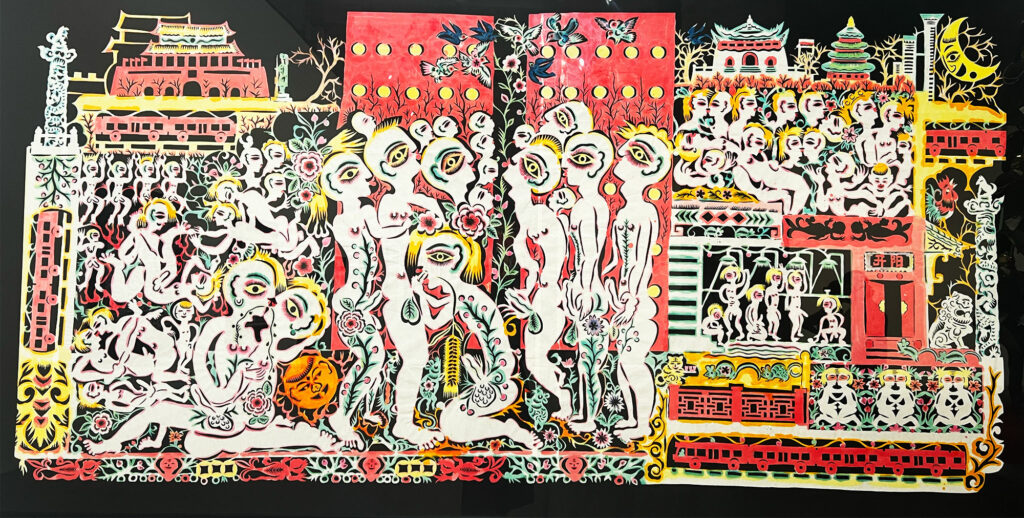
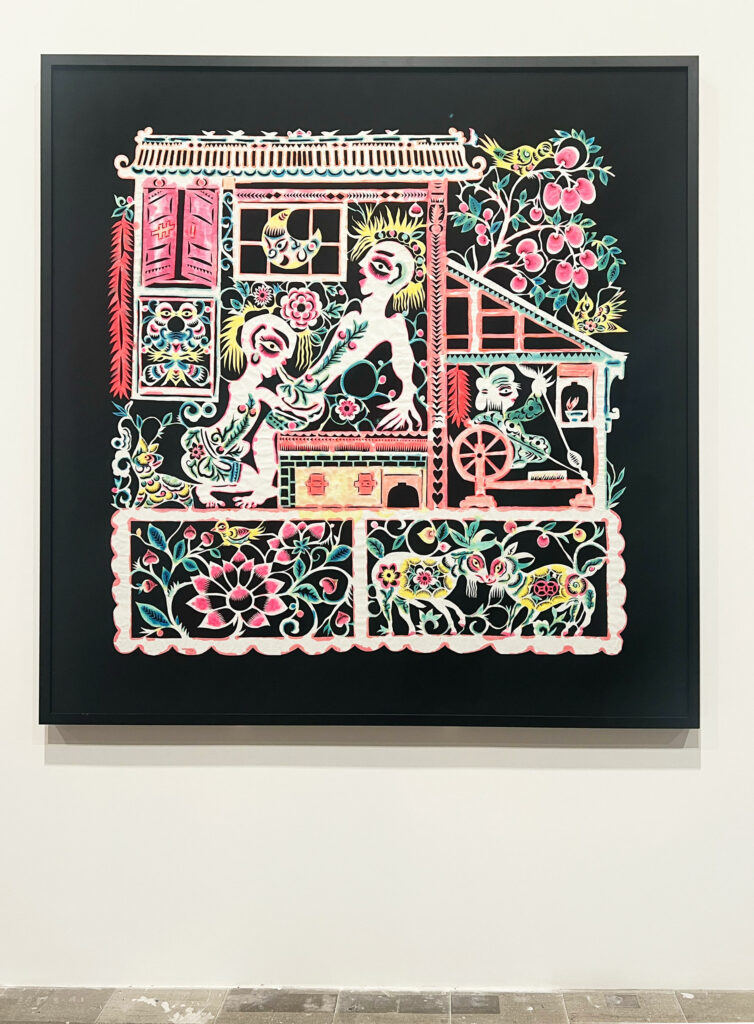
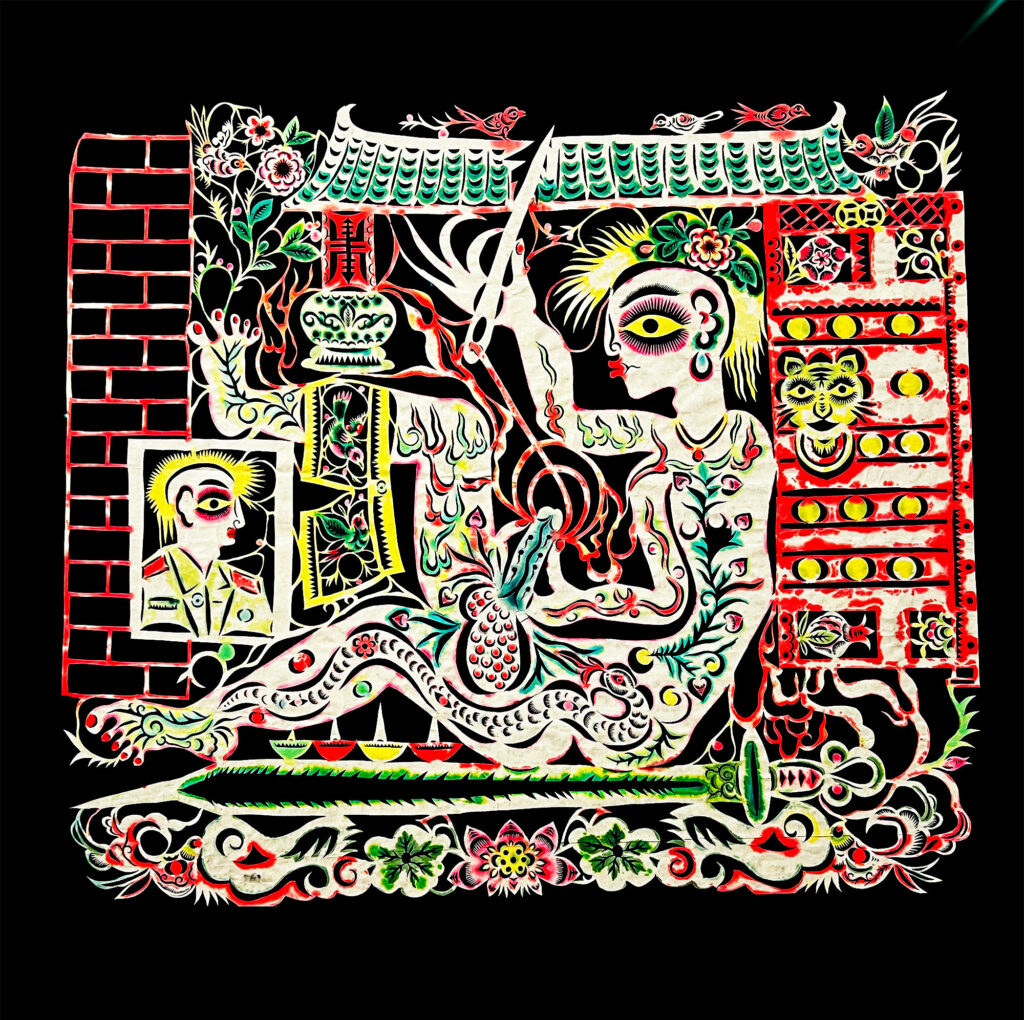
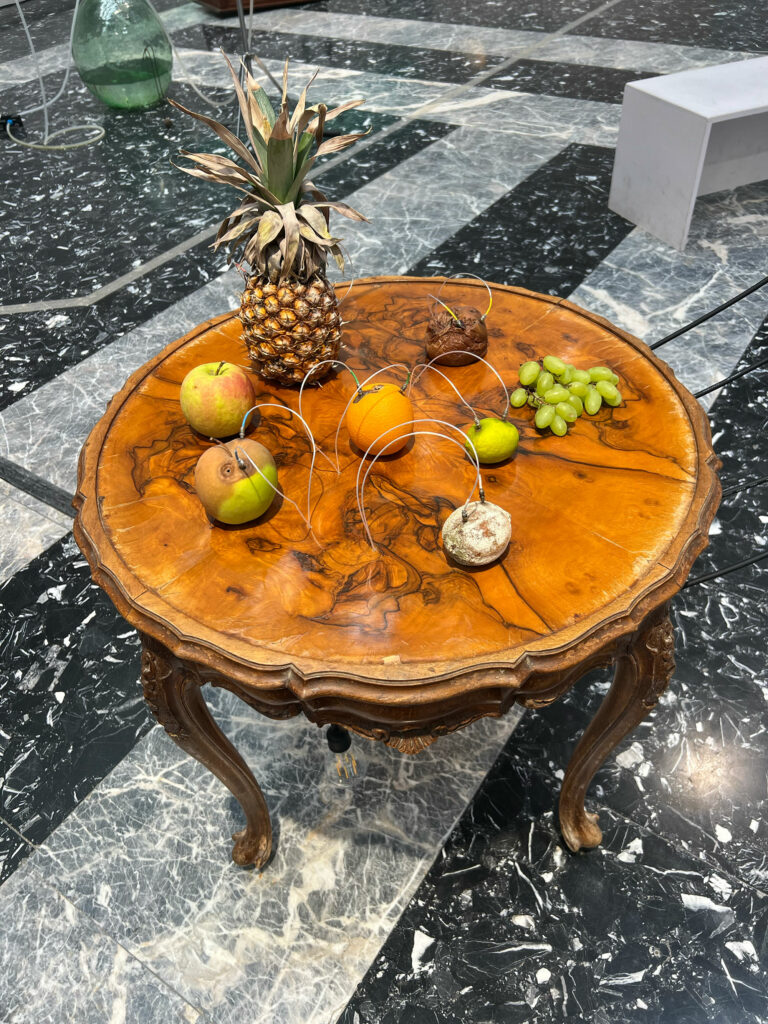

Yuko Mori, Compose
Yuko Mori, Compose
Thresholds
Guerreiro Del Divino Amor
The post Between Art and Design Pt. 1 appeared first on softverb.
]]>